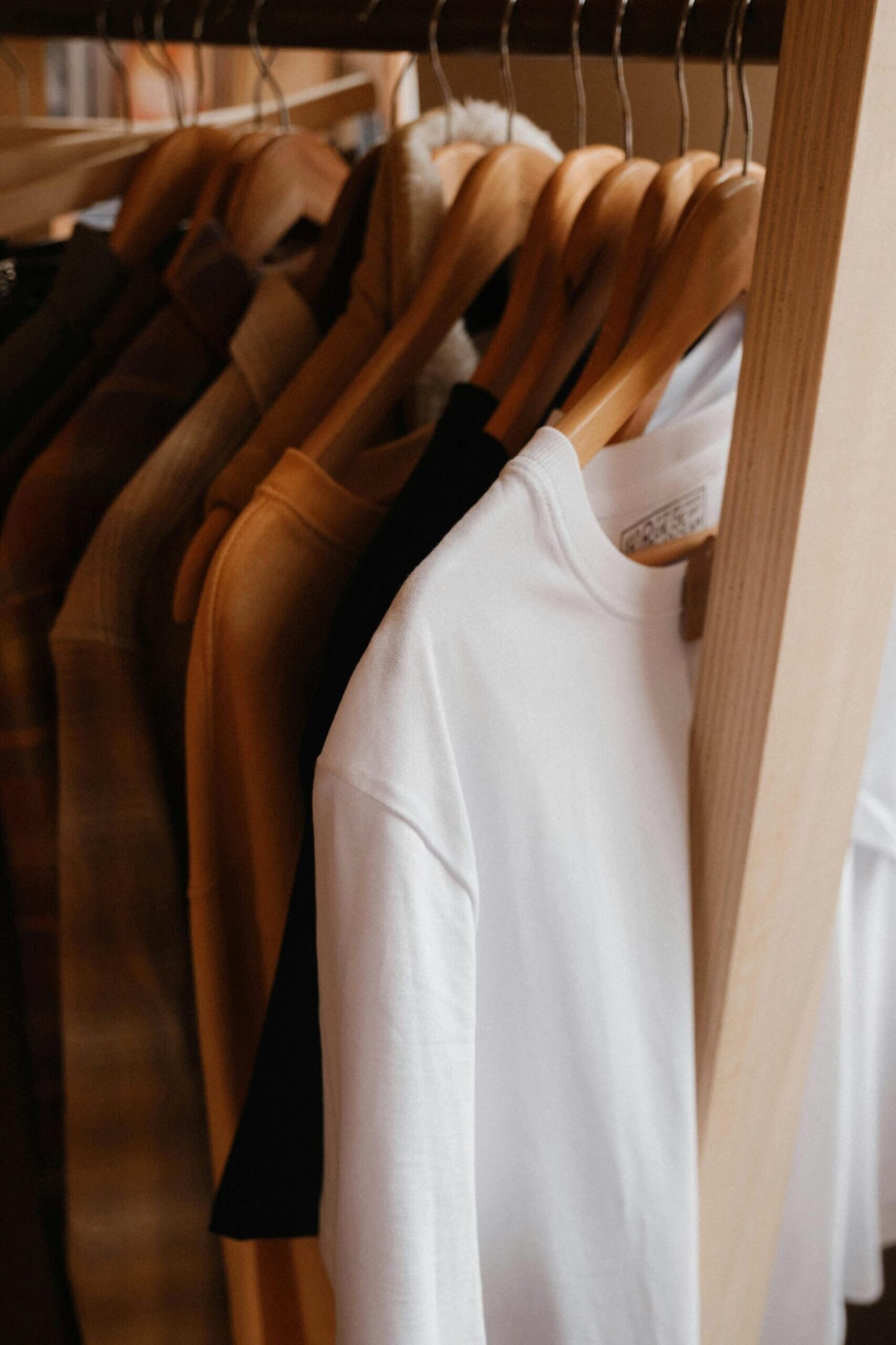
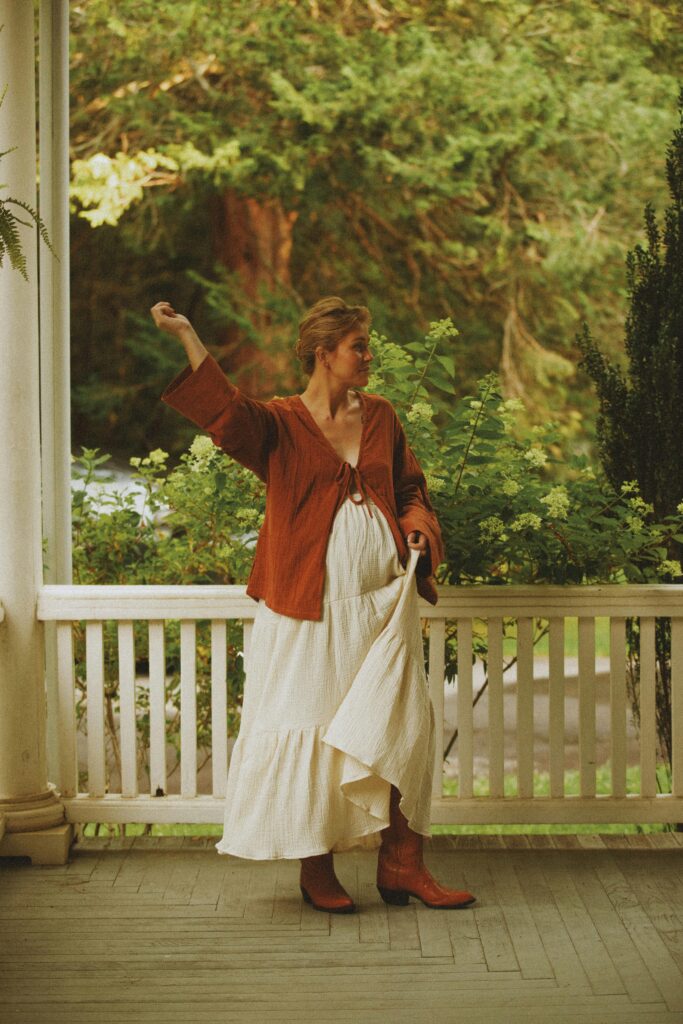
Fashion lovers and conscious consumers alike are turning to eco-friendly fabrics that blend sustainability with style. In 2025, these materials aren’t just trends-they’re game-changers reducing waste, conserving water, and lowering carbon footprints while delivering comfort and versatility for clothing, home décor, and beyond. Discover the top eco-friendly fabrics leading the charge, backed by the latest industry insights, and learn how to incorporate them into your wardrobe or projects for maximum impact.
Why Eco-Friendly Fabrics Are Dominating 2025 Fashion Trends
The textile industry is undergoing a green revolution, driven by consumer demand for sustainable textiles that minimize environmental harm. Organic cotton, hemp, and recycled polyester top the lists as they require fewer resources and biodegrade naturally, unlike conventional fabrics that contribute to microplastic pollution and massive water use. According to recent reports, sustainable materials now account for a growing share of production, with brands prioritizing low-impact fibers to meet eco-conscious shoppers’ expectations.
These eco-friendly fabrics for fashion offer practical benefits too: breathability, durability, and innovative properties like moisture-wicking. Whether you’re sewing dresses on blogonfashiontrends.com or updating your home textiles, choosing these reduces your footprint without sacrificing aesthetics. Innovations in blends, like hemp-organic cotton mixes, amplify their appeal by combining strength with softness.
Organic Cotton: The Timeless Sustainable Staple
Organic cotton reigns supreme among top eco-friendly fabrics for its pesticide-free growth and reduced water needs compared to conventional cotton. Grown without synthetic chemicals, it enriches soil and uses up to 91% less water, making it ideal for everything from tees to bedding.
Key Benefits and Real-World Impact
- Environmental wins: Biodegradable and supports biodiversity; avoids the 16% of global insecticides used in regular cotton farming.
- Performance perks: Soft, breathable, and hypoallergenic-perfect for sensitive skin in apparel or quilts.
- 2025 stats: Demand surges in ethical brands, with blends like organic cotton-recycled polyester cutting virgin plastic use by repurposing waste.
Designers love it for sustainable fashion trends, pairing it with textures for minimalist dresses or upholstery. Brands report high adoption in casualwear, proving luxury doesn’t demand harm. For home use, organic cotton curtains add airy elegance while lasting longer than synthetics.
Hemp Fabric: Low-Water Wonder for Durable Designs
Hemp stands out as a rising eco-friendly fabric due to its minimal water and pesticide requirements-needing just 50% of cotton’s water while naturally suppressing weeds. This fast-growing plant yields strong fibers perfect for jeans, totes, and upholstery.
Why Hemp Excels in 2025
- Sustainability edge: Carbon-sequestering crop that improves soil health; fully biodegradable.
- Versatility: Breathable, UV-resistant, and softens with washes-great for activewear or summer linens.
- Popular blends: Hemp-organic cotton for breathable strength; hemp-recycled polyester for moisture-wicking outdoor gear.
In fashion, hemp’s rustic texture elevates boho skirts and shirts, while in home décor, it shines in rugs and throws. Its low impact aligns with circular economy goals, as seen in upcycled hemp projects at events like BharatTex 2025. Shoppers on forums like Reddit rave about its durability, noting it outlasts cotton in high-wear items.
Bamboo Rayon and Blends: Silky, Antibacterial Innovation
Derived from fast-regrowing bamboo, bamboo rayon (or viscose) offers silk-like softness with natural antibacterial properties, making it a favorite for underwear, activewear, and sheets. Sustainable processing cuts energy use, though certified versions like closed-loop production ensure minimal waste.
Standout Features for Modern Use
- Eco advantages: Grows without pesticides; moisture-wicking and thermoregulating.
- Blends to watch: Bamboo-organic cotton for odor-resistant gym clothes; rising in 2025 for its quick-dry appeal.
- Data-backed: Reduces microfiber shedding versus synthetics, per recent lifecycle analyses.
This fabric’s sheen suits flowing dresses and pillowcases, blending seamlessly into eco-friendly home décor. Users on Quora highlight its cooling effect for hot climates, positioning it as a must-have for versatile wardrobes.
Recycled Polyester (rPET): Giving Plastics a Second Life
Recycled polyester from plastic bottles slashes CO₂ emissions by up to 45% and diverts landfill waste, transforming trash into fleeces, jackets, and linings. It’s wrinkle-resistant and quick-drying, rivaling virgin polyester without the petroleum draw.
Performance and Popularity in 2025
- Impact metrics: Keeps 10-20 bottles out of oceans per garment; durable for high-traffic items.
- Top blends: rPET-organic cotton for soft, sturdy casualwear; rPET-Tencel for eco-luxury activewear.
- Brand adoption: Pioneers like Patagonia prove it handles extreme conditions sustainably.
Ideal for linings in clothes or curtains, it adds functionality without bulk. Competitor analyses show it’s bridging fast fashion to sustainability, with emerging blends like rPET-hemp gaining traction for outdoor trends.
Tencel (Lyocell): Luxurious Closed-Loop Luxury
Tencel lyocell, from eucalyptus wood pulp, uses a solvent-spun process that recycles 99% of water and chemicals, earning EU Ecolabel certification. Its smooth drape and breathability make it a premium pick for dresses, shirts, and bedding.
Why It’s a 2025 Leader
- Sustainability stats: 50% fewer emissions than viscose; biodegradable and compostable.
- Blends shining: Tencel-organic cotton for year-round softness; Tencel-recycled polyester for strong, eco-chic options.
- User favorites: Silky feel without silk’s ethical issues; moisture management beats cotton.
In sustainable blend fabric trends, Tencel elevates minimalist fashion and textured home goods, with high adoption in luxury lines. Forums buzz about its wrinkle resistance, perfect for travel wardrobes.
Linen: Breathable Natural for Effortless Style
Linen, from flax, thrives with little water or chemicals, offering a crisp, cooling texture for summer staples like shirts and tablecloths. Biodegradable and antibacterial, it’s a heritage fabric reborn for modern eco-fashion.
Essential 2025 Applications
- Green credentials: Soil-enriching growth; naturally pest-resistant.
- Blends: Linen-organic cotton for lightweight resort wear; linen-hemp for textured durability.
- Versatility: Ages beautifully, softening over time for heirloom pieces.
Its relaxed vibe fits textile design trends for 2025, from sheer overlays to upholstery. Indian brands weave it into artisanal decor, emphasizing cultural sustainability.
Innovative Newcomers: Piñatex, Banana Fiber, and Beyond
2025 spotlights exotic sustainable fabrics like Piñatex (pineapple leaf fiber), which repurposes ag-waste into leather alternatives-durable for bags and shoes, reducing food waste. Banana fiber blends with cotton for strong, eco-innovative textiles, while mycelium leather offers cruelty-free luxury.
Emerging Trends Table
| Fabric Blend | Key Benefit | Best Uses | Popularity |
|---|---|---|---|
| Pineapple-Organic Cotton | Waste repurposing, flexible | Accessories, outerwear | Rising |
| Banana-Organic Cotton | Ag-waste innovation, durable | Ethical fashion | Emerging |
| Hemp-Recycled Polyester | Moisture-wicking, low-impact | Sportswear | Emerging |
| Corn Fiber-Cotton | Biodegradable, breathable | Everyday apparel | Emerging |
These push boundaries, with Piñatex rising in vegan lines and corn fiber promising petroleum-free futures. Smart textiles with embedded tech add functionality, like air-purifying weaves.
How to Choose and Care for Eco-Friendly Fabrics
Selecting top sustainable fabrics? Look for certifications like GOTS (organic) or FSC (sourced wood). Prioritize blends for balanced performance-e.g., organic cotton-rPET for everyday durability.
Care tips:
- Wash cold to preserve fibers and save energy.
- Air dry to extend lifespan.
- Mend over replace for circular fashion.
Incorporate them via blogonfashiontrends.com tutorials for DIY projects, from hemp tote bags to linen curtains.
Styling Eco-Friendly Fabrics for Fashion and Home
Mix organic cotton with sheer linen overlays for sophisticated dresses, or layer recycled polyester throws on bamboo sofas for cozy vibes. Bold prints on Tencel add maximalism, while hemp textures ground minimalist spaces.
Fashion ideas:
- Hemp skirts with cotton blouses for boho chic.
- rPET fleeces for sustainable layering.
Home inspo:
- Piñatex accents on jute rugs.
- Bamboo bedding for serene retreats.
These choices boost style while signaling values, encouraging shares on social platforms.
The Future of Sustainable Fabrics in Fashion
As 2025 unfolds, eco-friendly fabrics like mycelium and algae yarns promise carbon-negative production, integrating with digital printing for zero-waste designs. Circularity-via on-demand manufacturing-ensures less overproduction.
Commit to these materials today to lead the shift. Explore more trends and shop sustainably on blogonfashiontrends.com, where style meets responsibility. Your next garment or decor piece could spark real change-start weaving a greener wardrobe now.