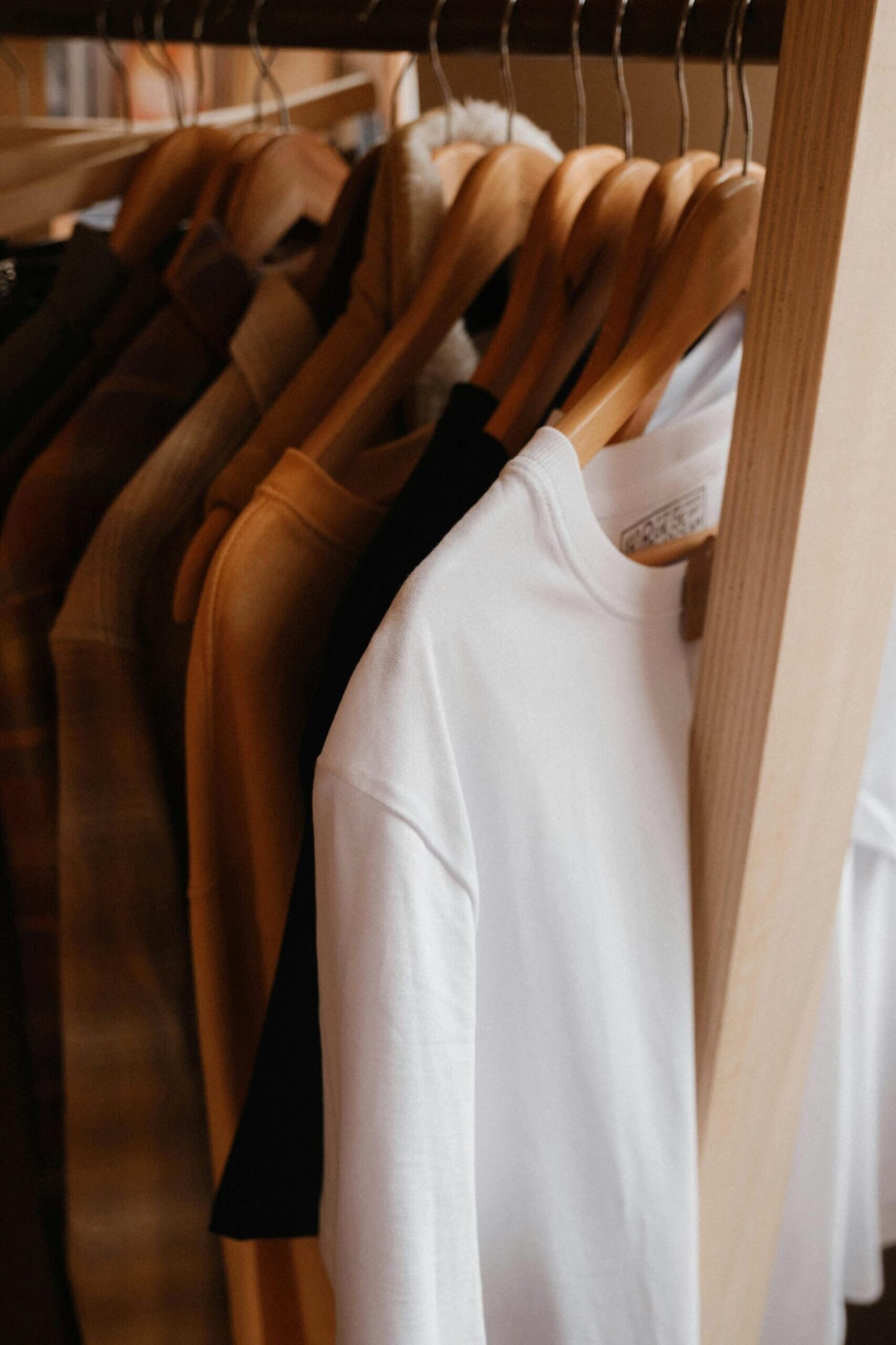
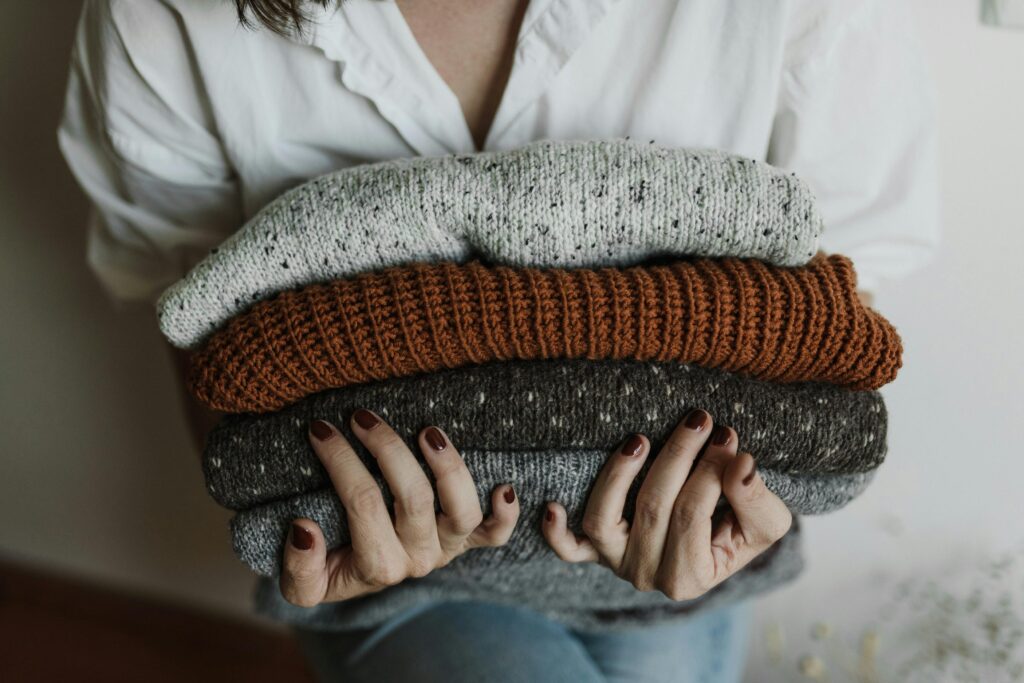
Imagine opening your closet doors to reveal a streamlined space filled with versatile pieces you love, organized with eco-friendly tools that last for years – no overflowing bins, no forgotten fast-fashion regrets, and zero contribution to the fashion industry’s massive waste problem. In this guide, you’ll discover proven steps to declutter, curate, and maintain a zero-waste closet that saves money, reduces environmental impact, and boosts your daily style routine, drawing from the latest sustainable fashion strategies in 2025.
Why Build a Zero-Waste Closet Now?
The fashion sector generates over 92 million tons of textile waste annually, much of it from underused clothes languishing in closets. A zero-waste wardrobe flips this script by focusing on quality over quantity, mindful purchasing, and circular practices like repairing and reusing. Recent trends show consumers prioritizing sustainable closet organization, with searches for “eco-friendly clothing storage” up 40% in 2025 as people seek ways to extend garment lifespans amid rising awareness of microplastic pollution from plastic bins.
Transitioning to a zero-waste closet isn’t about minimalism alone – it’s about intentionality. You’ll free up space, cut shopping urges, and align your wardrobe with planetary health. For fashion enthusiasts visiting blogonfashiontrends.com, this means curating trend-forward looks that endure seasons, from capsule workwear to versatile casuals.
Step 1: Audit and Declutter Your Wardrobe Ruthlessly
Start with a full closet purge to eliminate waste at the source. Empty everything onto your bed or floor, then sort into keep, repair, donate, sell, or recycle piles.
- Ask key questions for each item: Have I worn it in the last year? Does it fit my current style and body? Does it spark joy or serve a purpose? If not, it’s out.
- Prioritize versatility: Keep pieces that mix and match, like neutral basics or multi-season staples. Aim for a capsule wardrobe of 30-50 high-quality items.
- Handle discards responsibly: Donate wearable clothes to organizations like Goodwill, which resell to fund community programs. For unwearable textiles, use recycling programs – Hennepin County reports 95% of textiles can be diverted from landfills via proper sorting.
Pro tip: Set a “one-in, one-out” rule for future buys. This prevents rebound clutter and keeps your closet lean. Schedule this audit seasonally to rotate items and reassess.
Step 2: Curate with Conscious Purchasing Habits
With space cleared, shop smart to avoid new waste. Build around conscious clothing – durable, ethical pieces from brands using organic or recycled materials.
- Make a needs list: Note gaps, like “black trousers for work” instead of impulse buys. This mirrors grocery shopping to curb overconsumption.
- Choose timeless, multi-use items: Opt for natural fibers like organic cotton, linen, or wool that biodegrade naturally and last longer than synthetics.
- Support circular fashion: Buy secondhand via thrift apps or swaps – clothing swaps surged in popularity in 2025 as a top closet cleansing ritual.
Incorporate trends from blogonfashiontrends.com, such as sustainable athleisure that transitions from gym to street. Data from 2025 shows ethical brands retain 25% more value over time, reducing replacement needs.
Step 3: Organize with Eco-Friendly Zoning and Tools
Efficient organization maximizes what you own, preventing premature disposal. Divide your closet into zones: daily wear, work, seasonal, accessories.
Maximize Space Without Plastic Waste
Ditch space-hogging plastic for sustainable closet organizers:
| Tool | Best For | Eco-Benefit | Example Product |
|---|---|---|---|
| Slim Bamboo Hangers | Hanging shirts, dresses | Renewable bamboo; biodegradable over plastic | Replaces 10 plastic hangers per set |
| Shelf Dividers (Recycled Wood) | Folded stacks | Prevents toppling; sourced sustainably | Fits any shelf, zero off-gassing |
| Over-Door Bamboo Organizers | Shoes, bags | Uses wasted space; fast-growing material | Holds 12 pairs without drilling |
Use double hanging rods for short garments like blouses, doubling capacity in small closets. Add vertical shelves or pegboards from recycled metal for accessories.
Breathable Storage for Longevity
Plastic bins trap moisture, breeding mold and microplastics. Switch to natural alternatives:
- Organic Cotton Bags: Breathable for delicates; Hayden Hill’s moth-proof bags ($44) use 100% certified organic cotton, handmade in small batches.
- Bamboo Bins: Antimicrobial for sweaters; naturally moisture-resistant and renewable.
- Acid-Free Cardboard Boxes: Recyclable for short-term use; prevents yellowing.
- Jute or Palm Baskets: Stylish for accessories; fair-trade options like Will & Atlas ($66) from women-owned artisans.
Label everything with reusable tags for quick access. For families, kid-height zones with labeled bins keep chaos at bay.
Step 4: Master Seasonal Rotation Sustainably
Rotate off-season items to keep your active closet clutter-free without vacuum-sealing, which crushes fibers.
- Store smart: Use cotton garment bags or cedar blocks (renewable pest repellent) on top shelves. Cedar naturally fragrances and protects wool.
- Twice-yearly swaps: Reassess during transitions – store summer linens in breathable bins, winter coats in cedar-lined spaces.
- Under-bed solutions: Flat bamboo trays or recycled cardboard for bulk items, accessible yet hidden.
This built-in declutter every six months reinforces zero-waste habits.
Step 5: Extend Garment Life with Proper Care Routines
A zero-waste closet thrives on maintenance. Proper care can double clothing lifespan, slashing waste.
- Wash wisely: Cold water, air-dry on padded hangers. Fold knits to prevent stretching; hang delicates.
- Repair over replace: Mend tears or de-pill sweaters – set deadlines for fixes to avoid piles.
- Natural repellents: Cedar blocks or lavender sachets beat toxic mothballs.
- Daily habits: Weekly 5-minute resets – rehang, refold, donate strays.
Install LED strips for visibility, reducing rummaging damage.
Innovative Tools and Products for 2025
Elevate your setup with these vetted, eco-friendly picks:
- Hayden Hill Organic Sweater Storage ($ varies): Zippered cotton bags for 4-5 sweaters; carbon-neutral.
- The Citizenry Palm Baskets ($111): Fair-trade for blankets; durable leather handles.
- Wood Blocks Cedar Fresheners: Natural odor control for drawers.
Shop from sustainable retailers like The Container Store’s eco-section for bamboo essentials.
Common Challenges and Solutions
- Small spaces: Vertical organizers and double rods create 2x capacity.
- Family closets: Labeled bins per person; donation station curbs growth.
- Overbuying: Apps track outfits to reveal duplicates before purchase.
Forums like Reddit echo these: Users rave about cotton bags preventing mildew in humid climates.
Your Path to a Lasting Zero-Waste Wardrobe
Embracing these practices transforms your closet into a sustainable powerhouse – functional, stylish, and guilt-free. Start with one step today: audit your space and swap one plastic bin for bamboo. Track progress over a month, then visit blogonfashiontrends.com for the latest eco-trend inspo. Your wardrobe, the planet, and your future self will thank you for choosing zero-waste living that endures.
https://shorturl.fm/wtCFi