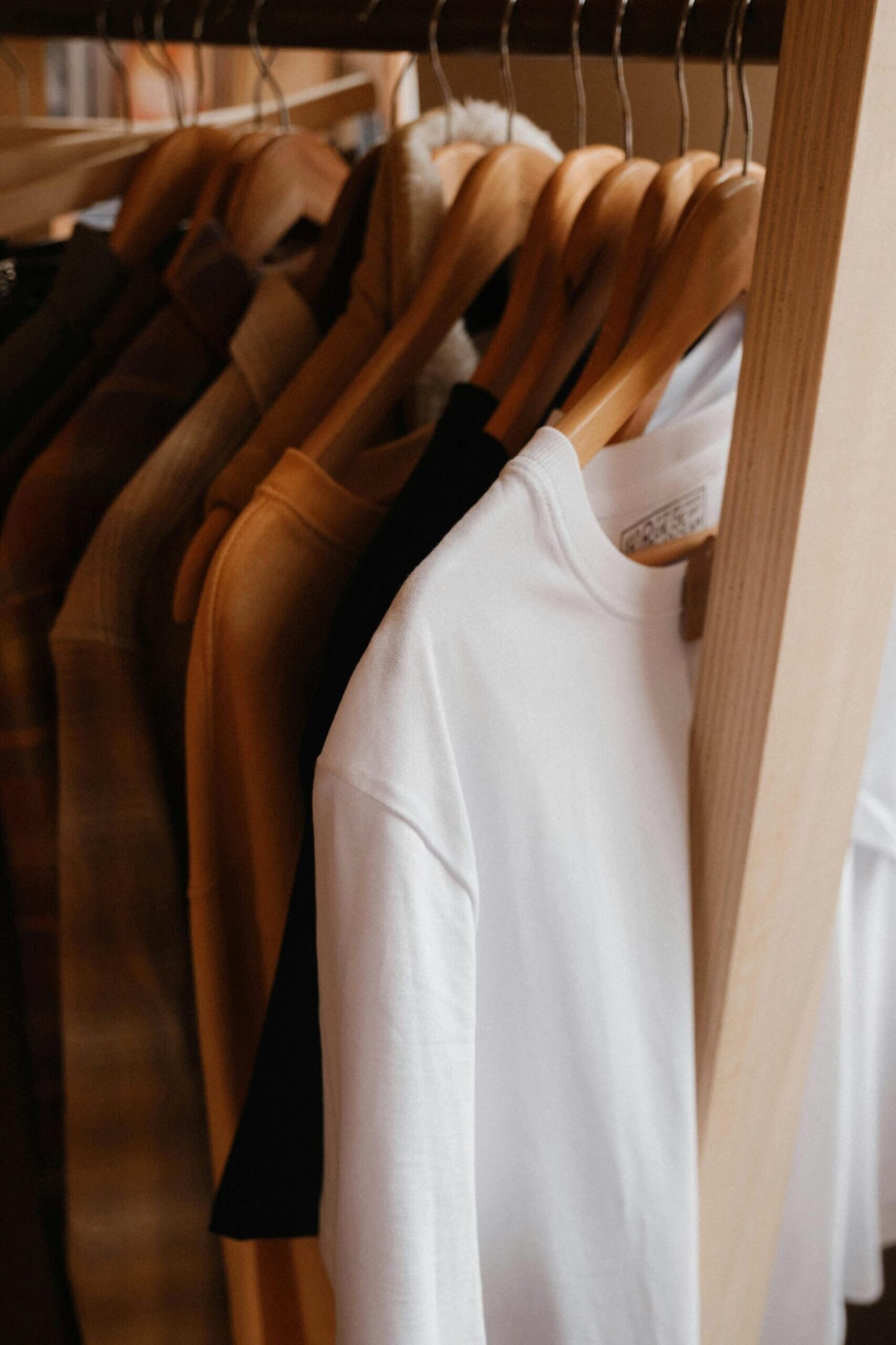
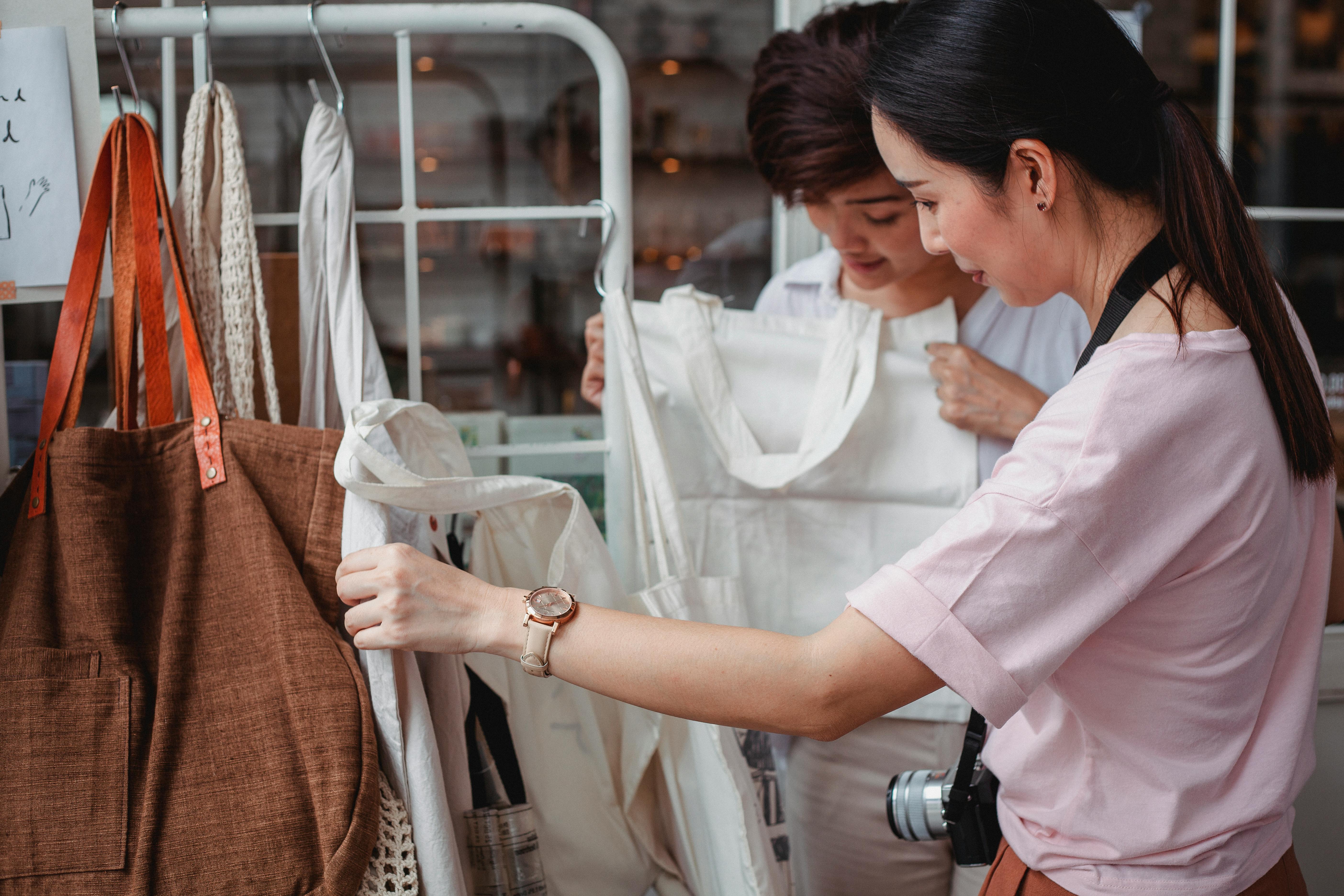
The luxury fashion industry stands at a crossroads. While exclusivity and prestige have long defined high-end fashion, a new generation of consumers demands something more: accountability, transparency, and genuine environmental stewardship. The brands that recognize this shift aren’t compromising on quality or desirability-they’re redefining what luxury means in the 21st century.
Today’s luxury consumer, particularly younger and European audiences, prioritizes sustainability as much as craftsmanship. They want to know where their garments come from, how they’re made, and what impact their purchase has on the planet. This isn’t a passing trend; it’s a fundamental reshaping of the luxury market. Brands that lead this movement aren’t just protecting their reputation-they’re building competitive advantage, strengthening brand loyalty, and positioning themselves for long-term growth in an increasingly regulated industry.
The Rise of Ethical Luxury: Why It Matters Now
The luxury fashion industry has historically operated on a model of exclusivity and opacity. But the landscape has shifted dramatically. More than 160 brands have signed The Fashion Pact, a non-profit commitment pledging to reach net-zero carbon emissions by 2050, achieve 50% renewable energy in operations by 2025, and hit 100% by 2030.
What’s driving this change? Several factors converge:
Regulatory pressure is intensifying globally. The European Union’s Corporate Sustainability Reporting Directive (CSRD) requires transparency in supply chains and environmental impact. Brands operating in Europe face stringent compliance requirements that make sustainability not optional but mandatory.
Consumer expectations have fundamentally shifted. Research shows that European and American luxury consumers differ significantly in their priorities-European consumers particularly emphasize carbon neutrality, circular economy practices, and transparent supply chains. Younger consumers across both markets increasingly view sustainability as a marker of brand integrity.
Competitive differentiation matters more than ever. In a crowded luxury market, sustainability credentials have become a key differentiator. Brands that can authentically demonstrate their commitment to ethical practices attract conscious consumers willing to invest premium prices for products aligned with their values.
Financial incentives are aligning with environmental goals. Sustainability-linked bonds, pioneered by luxury brands like Prada, tie financial benefits directly to meeting sustainability performance indicators, creating accountability mechanisms that benefit both the company and the planet.
The Sustainability Principles That Define Ethical Luxury
Sustainable luxury fashion isn’t simply about using eco-friendly materials-it requires a holistic approach. The key principles that distinguish genuine ethical luxury brands include:
Ethical production ensures fair wages, safe working conditions, and respect for workers throughout the supply chain. This means transparent partnerships with suppliers and regular audits to verify compliance.
Eco-friendly materials go beyond conventional fabrics. Leading brands source organic cotton, recycled polyester, innovative alternatives like mycelium leather, and plant-based materials that minimize environmental impact.
Transparency and circularity create accountability. Brands publish detailed sustainability reports, use tools like Environmental Profit & Loss (EP&L) accounting, and design products for longevity, repair, and eventual recycling rather than disposal.
Implementing all three principles simultaneously requires significant resources and attention to detail-which is precisely why it serves as a credible differentiator in the luxury market.
Stella McCartney: The Pioneer Setting the Standard
Stella McCartney stands as the gold standard for ethical luxury, having embedded sustainability into its DNA since day one. The brand is the only major fashion house in the industry to have never used animal leather, feathers, fur, or skins.
What makes Stella McCartney exceptional isn’t just what it refuses to use-it’s what it innovates instead. The brand pioneered the use of grape-based leather alternatives with an environmental impact 24 times lower than traditional leather. Its handbags are lined with material made from recycled plastic bottles, transforming waste into luxury.
The brand’s innovation extends to cutting-edge materials like APINAT, a biodegradable rubber used in footwear, and Eco Alter-Nappa, a smooth vegan alternative to animal leather launched a decade ago. More recently, Stella McCartney incorporated Ecopel’s KOBA® Fur-Free Fur, a bio-based faux fur made with recycled polyester and up to 100% plant-based fibers.
Beyond materials, Stella McCartney demonstrates leadership through strategic partnerships. As co-founder of the Collab SOS Fund-a $200 million LVMH-backed initiative-the brand invests in pioneering startups and cutting-edge climate technologies, actively shaping the future of sustainable fashion.
The brand’s philosophy remains elegantly simple: “Buy less, choose well, make it last.” This principle guides everything from design to marketing, positioning luxury not as disposability but as timelessness.
Gucci: From Heritage to Circular Innovation
Gucci, founded in Florence in 1921 and acquired by Kering in 1999, demonstrates how heritage brands can authentically embrace sustainability without losing their identity.
The brand unveiled its 10-year sustainability strategy, “Culture of Purpose,” in 2015, setting ambitious 2025 targets including a 50% reduction in greenhouse gas emissions and 100% traceability for raw materials. Remarkably, Gucci has already achieved carbon neutrality in its own operations since 2018 and across its entire supply chain since 2021-ahead of schedule.
Gucci’s circular economy approach is particularly innovative. The brand launched Gucci Scrap-less, a program designed to reduce the footprint of leather manufacturing by eliminating waste at the production stage. In 2024, Gucci received the Ellen MacArthur Foundation Award for Circular Economy in recognition of its efforts to embed circularity across its entire business model.
The brand’s first Circular Hub in Tuscany, launched recently, represents a bold commitment to systemic change. Dedicated to studying ways to improve circularity through better durability and recyclability, the hub aims to cut emissions from managing waste generated by Gucci’s leather-goods production by up to 60%. Plans include extending the hub’s activities to other Kering brands and eventually opening it to the wider fashion sector.
Gucci’s Gucci Off the Grid collection, launched in 2020, exemplifies this commitment in practice. Every piece features materials like organic cotton, recycled steel, regenerated polyamide, and ECONYL-a material made from post-consumer waste.
Chloé: Purpose-Driven Transformation
Chloé, the Parisian luxury fashion house, has undergone a significant organizational transformation to embed sustainability into its core operations. In April 2023, Chloé became a “Société à Mission” (Purpose-Driven Company), a legal statutory change reflecting its commitment to support women’s advancement and adopt responsible environmental and social practices.
The brand’s sustainability credentials are substantial. In 2021, Chloé became the first luxury fashion house to achieve B Corp certification, meeting rigorous standards for social and environmental performance, accountability, and transparency.
Under the creative direction of Gabriela Hearst, appointed in 2020, Chloé has significantly increased its use of lower-impact materials and artisanal collaborations, integrating sustainability directly into the design process.
Chloé’s approach to transparency mirrors that of Stella McCartney but with its own framework. The brand adopted a Social Profit & Loss (SP&L) approach, a business management tool that integrates positive social impact into performance reports and accounting frameworks alongside environmental and financial metrics. This approach ensures that sustainability isn’t siloed in a corporate responsibility department-it’s embedded in how the company measures success.
Marine Serre: Upcycling as Design Philosophy
Marine Serre represents a newer generation of luxury designers who have built their entire brand around sustainability principles. The brand claims that approximately 50% of its collections are composed of upcycled projects, with the remainder using sustainable fibers like biodegradable yarns and recycled fibers.
What distinguishes Marine Serre is its eco-futurist aesthetic-a design philosophy that makes Earth the center of focus rather than technology. This isn’t sustainability as an afterthought; it’s the foundational creative principle.
The brand’s commitment to transparency is particularly innovative. Each garment features a unique digital ID in the form of a QR code on the care label. When scanned, this code reveals comprehensive information about the garment’s provenance, including material sourcing, production processes, and sustainability facts.
Marine Serre prioritizes sustainable materials including organic cotton, hemp, ethical wool, and FSC-certified viscose, while explicitly avoiding conventional cellulosic fibers, viscose, cotton, down, and polyester.
Another Tomorrow: Supply Chain Transparency at Scale
Another Tomorrow demonstrates how transparency can become a competitive advantage. The brand’s Renew program showcases a sophisticated approach to circular fashion:
Slightly damaged clothes are sold after mending, overdyeing, or resewing, extending product life without compromising quality. Clothes unsuitable for resale undergo fiber-to-fibre recycling, where garments are shredded and spun into yarn for new fabrics. The remaining 33% of returned items are downcycled into insulation for construction, rags, or mattress stuffing, ensuring zero waste.
The brand prioritizes organic cotton sourcing, having started with a focus on natural fibers and now using exclusively organic cotton across its collections.
Chanel: Science-Based Climate Action
Chanel, founded in 1910, introduced its 10-year climate action plan, “Chanel Mission 1.5,” in 2020, positioning itself among the first luxury brands to issue sustainability-linked bonds and sign The Fashion Pact.
The brand’s targets are ambitious and science-based: reduce the carbon footprint of operations by 50% and from the value chain by 40% by 2030, shift to 100% renewable energy globally by 2025 (currently at 97%), and support vulnerable communities and farmers in the supply chain.
Chanel has localized material sourcing by acquiring two core Italian leather goods manufacturers, reducing shipping emissions while ensuring quality control. The brand has also invested in innovative partnerships-backing Oritain, a New Zealand startup using forensic analysis to trace materials back to their origin, and Sulapec, a Finnish startup creating biodegradable, micro-plastic-free materials from wood chips.
Notably, Chanel extends sustainable action to its digital presence, pioneering approaches to calculating the carbon footprint of web pages and driving down emissions by 16% despite traffic increasing by 28%.
Louis Vuitton and LVMH: Scale and Systemic Change
Louis Vuitton, part of the LVMH conglomerate, demonstrates how luxury scale can drive industry-wide transformation. The Maison is committed to reducing direct carbon footprint by 55% by 2030, with reductions validated by the Science Based Targets initiative (SBTi).
Louis Vuitton’s “Our Committed Journey” roadmap establishes ambitious objectives for 2025, focusing on preserving biodiversity and protecting climate through circular creativity. The brand plans to source 100% raw materials responsibly by 2025 and is already at 78%, with materials sourced either certified or recycled under strict environmental standards.
The brand’s leather sourcing is particularly rigorous: 96% of leathers used are Leather Working Group-certified, representing the highest standard in leather tanning. Louis Vuitton has also implemented a water-free process for some leather goods collections.
LVMH, the parent conglomerate, was the first to secure the prestigious CDP Triple A rating for environmental impact in 2022, one of just 12 companies globally to achieve this status. The group’s LIFE 360 program integrates creative circularity, biodiversity protection, and transparency into operations, setting a benchmark for the entire industry.
Ralph Lauren: American Leadership in Sustainable Luxury
Ralph Lauren demonstrates that American luxury brands can lead on sustainability. The company recently announced that it is meeting at least one of its sustainable material criteria in 98% of units produced and introduced its fifth Cradle to Cradle Certified® product.
The brand’s “Timeless by Design” strategy, grounded in Ralph Lauren’s purpose to inspire the dream of a better life through authenticity and timeless style, captures the company’s work to support partners, communities, and natural resources.
Key achievements include:
- 34% reduction in absolute emissions from the company’s FY20 baseline
- Launching a denim recycling program in North America
- Piloting a repair service and expanding the Ralph Lauren Vintage offering
Ralph Lauren has also evolved its climate approach, retiring its 2040 net-zero goal in favor of setting rolling five-year GHG reduction milestones, with a near-term focus on its SBTi-validated 2030 goal to reduce emissions by 30% from its FY20 baseline. This approach prioritizes measurable, near-term accountability while maintaining alignment with the Paris Agreement.
Burberry: Traceability and Circular Innovation
Burberry has embedded sustainability into its value chain through strategic acquisitions and circular initiatives. The brand banned exotic leathers in 2022 and is targeting 100% of key raw materials to be traceable and from certified sources by 2025.
With plans for 100% certified organic cotton by 2025, Burberry sources cotton through the Better Cotton initiative, the largest cotton sustainability program in the world.
The brand’s circular initiatives are particularly innovative. The ReBurberry Fabric initiative has donated 12,000 meters of surplus Burberry fabrics to more than 30 fashion schools and universities in the UK, enabling upcycling and creative reuse. The ReBurberry Edit, launched in 2020, features 26 styles made using cutting-edge sustainable materials, including trench coats made from nylon developed from castor oil and polyester yarn made from recycled plastic bottles.
More recently, Burberry partnered with Vestiaire Collective on a circular fashion project, allowing customers in the US and UK to trade second-hand Burberry outerwear and handbags for gift cards to reinvest in the brand.
Hermès and Prada: Luxury Craftsmanship Meets Innovation
Hermès partners with MycoWorks, a biotech startup, to produce leather alternatives made from mycelium-launching its first mushroom-made bag, the Victoria, in 2021. The House also offers repair and restoration services to ensure product longevity, alongside its Petit H upcycling department, which transforms excess materials into one-off or limited pieces.
Prada formalized its sustainability commitment through a dedicated policy in 2019 and submitted GHG emissions reduction targets to SBTi for approval in 2021. The brand was the first in luxury fashion to join The Valuable 500, striving for improved inclusion of people with disabilities in corporate life.
Prada aims to reduce environmental impact by 40% by 2025 and achieve net-zero status by 2050. The brand has been fur-free since 2021 and is working toward 100% traceability for raw materials and 100% compliance with Kering’s raw material standards by 2025.
The Competitive Advantage of Authentic Sustainability
The brands leading the ethical fashion movement share a critical characteristic: authenticity. They don’t treat sustainability as a marketing campaign-they embed it into product design, supply chain management, and corporate governance.
This authenticity creates measurable competitive advantages. Brands with credible sustainability credentials attract conscious consumers willing to pay premium prices. They navigate regulatory requirements more easily. They build stronger relationships with suppliers and communities. They reduce operational risks associated with climate change and resource scarcity.
Most importantly, they’re future-proofing their businesses. As regulations tighten globally and consumer expectations continue to evolve, the brands that have already transformed their operations will maintain competitive advantage over those playing catch-up.
What This Means for the Future of Luxury
The ethical fashion movement isn’t marginalizing luxury-it’s redefining it. True luxury in 2025 means timelessness over trends, quality over quantity, and transparency over opacity. It means understanding that exclusivity and sustainability aren’t contradictory; they’re complementary.
The brands profiled here-from Stella McCartney’s pioneering innovation to LVMH’s systemic transformation-demonstrate that luxury fashion can be both desirable and responsible. They’re proving that consumers don’t have to choose between style and ethics, between prestige and purpose.
For fashion enthusiasts and conscious consumers, this shift represents an opportunity. The luxury brands leading the ethical fashion movement are creating products that feel good to wear and good to own. They’re building a fashion industry that respects both people and planet.
The question is no longer whether luxury brands can afford to prioritize sustainability. It’s whether they can afford not to. The brands that recognized this shift early are already winning-in market share, brand loyalty, and the most important metric of all: the trust of their customers.