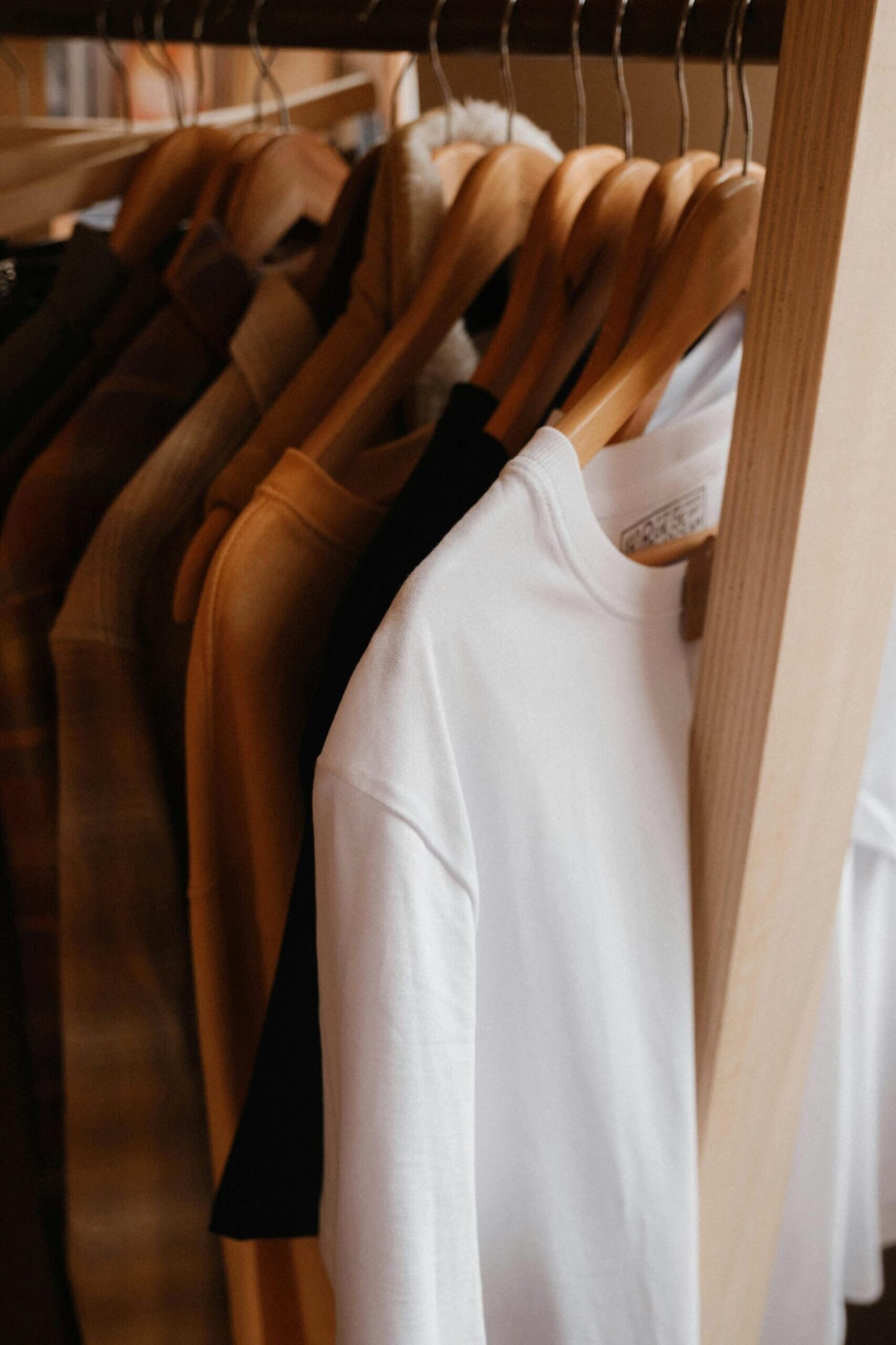
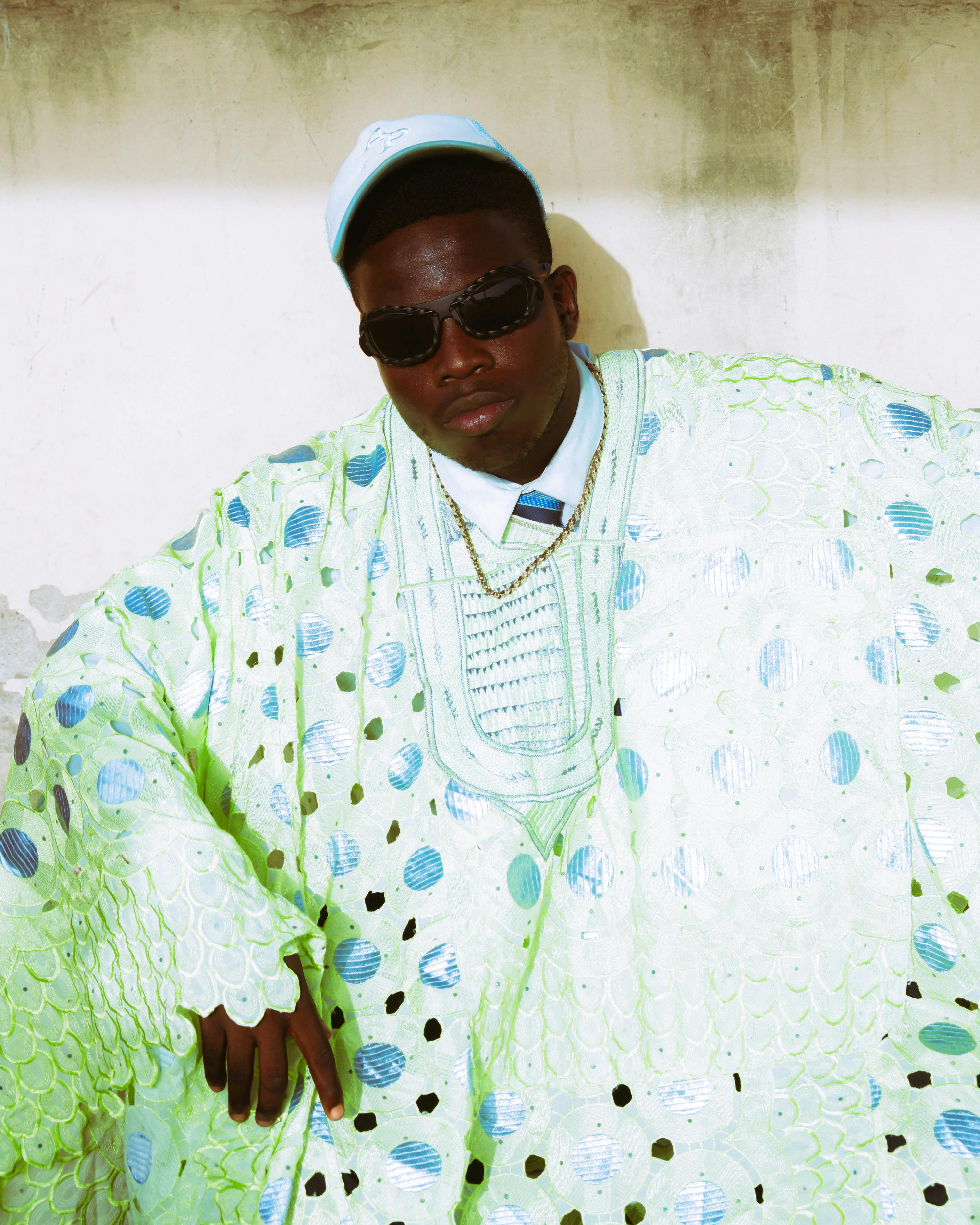
Fashion is more than just clothes- it’s a reflection of who we are, what we value, and how we want to be seen in the world. In 2025, the most powerful way to express individuality is not by chasing fleeting trends, but by making thoughtful, ethical choices that align with your values. The rise of sustainable and ethical fashion means that style and responsibility are no longer mutually exclusive. Instead, they’re becoming the foundation of a truly personal wardrobe.
Whether you’re drawn to minimalist aesthetics, bold statement pieces, or timeless classics, your choices have the power to shape not only your look but also the future of fashion. By prioritizing ethical production, sustainable materials, and mindful consumption, you can create a style that feels authentic, looks great, and does good for people and the planet.
Why Ethical Choices Matter in Fashion
The fashion industry is one of the largest contributors to environmental pollution and social injustice. From water waste and carbon emissions to exploitative labor practices, the impact of fast fashion is far-reaching. But as awareness grows, so does the demand for change. In 2025, consumers are increasingly seeking transparency, fair labor, and eco-friendly practices from the brands they support.
Ethical fashion means designing, making, and distributing clothing in a way that respects both people and the planet. It’s about ensuring fair wages, safe working conditions, and humane treatment for everyone involved in the supply chain. It’s also about using materials and processes that minimize harm to the environment, from organic cotton and recycled fibers to biodegradable fabrics and low-impact dyes.
When you choose ethical fashion, you’re not just buying a garment- you’re supporting a system that values people and the planet. And that’s a powerful statement in itself.
Building a Personal Style with Sustainable Materials
One of the most impactful ways to create a personal style through ethical choices is by prioritizing sustainable materials. The fabrics you wear can make a big difference in your environmental footprint and the longevity of your wardrobe.
Organic and Recycled Fabrics
Organic cotton, linen, and hemp are leading the charge in sustainable fashion. These natural fibers are grown without harmful pesticides and require less water than conventional cotton. Recycled materials, such as post-consumer denim and polyester, help reduce waste and the demand for new raw materials. Brands like MUD Jeans are already incorporating up to 40% recycled denim in their products, with plans to reach 100% in the near future.
Plant-Based and Vegan Alternatives
Innovative plant-based fabrics are making waves in 2025. Mushroom leather, apple leather, pineapple fibers, and lotus silk are just a few examples of materials that offer stylish, durable, and cruelty-free alternatives to traditional leather and synthetic fabrics. These materials are not only eco-friendly but also biodegradable, ensuring they return to the earth without leaving a harmful trace.
Biodegradable and Low-Impact Textiles
Biodegradable fabrics like CELYSTM compostable fiber are transforming the industry by offering a sustainable option for stylish garments. These materials naturally break down, reducing fashion waste and offering a guilt-free way to refresh your wardrobe. Eco-friendly dyes, which are free from toxic chemicals and often biodegradable, are also gaining popularity, providing a safer alternative for both the environment and your health.
Embracing Circular Fashion and Secondhand Style
Circular fashion is all about reusing, repairing, and recycling materials to minimize waste. It’s a shift away from the “take-make-dispose” mentality and toward a system where clothes are designed to last, be repaired, or be repurposed.
The Rise of Upcycling
Upcycling is a creative way to breathe new life into old garments. By transforming discarded clothing into unique, one-of-a-kind pieces, you can express your individuality while reducing waste. Upcycled fashion is not just a trend- it’s a movement that encourages creativity and individuality in personal style.
Secondhand and Vintage Shopping
One of the most sustainable ways to shop is by choosing pre-loved clothing. Thrift stores, vintage boutiques, and online resale platforms like The RealReal, Depop, and Poshmark offer high-quality, unique pieces that reduce waste and support a circular economy. Stylists and fashion enthusiasts are increasingly curating stunning, one-of-a-kind looks by mixing vintage pieces with modern fashion.
Fashion Rental Services
For those who love variety, fashion rental services are making it easier than ever to refresh your wardrobe without contributing to overproduction. These platforms allow you to wear the latest styles for a fraction of the cost, while also reducing the environmental impact of fast fashion.
Ethical Supply Chains and Transparent Brands
As sustainability gains traction, more and more consumers want to know where their clothes come from. This demand for transparency is pushing brands to be more open about their supply chains and production practices.
Traceability and Blockchain Technology
Blockchain and other technologies are being used to ensure complete transparency in the fashion industry. These tools allow consumers to trace the journey of their garments from raw material to finished product, providing peace of mind that their purchases are ethical and sustainable.
Supporting Ethical and Sustainable Brands
Many brands are committing to transparency and sustainability. Some well-known examples include Stella McCartney, Reformation, Eileen Fisher, Patagonia, and Veja. These brands prioritize fair labor, responsible sourcing, and ethical manufacturing processes, making it easier for consumers to make informed choices.
Minimalism and Capsule Wardrobes
Minimalism is gaining ground in the fashion world, driven by a growing awareness of sustainability. The idea is simple: less is more. By creating a wardrobe of quality clothes, you ensure that every item is worn and appreciated rather than left unused and ultimately discarded.
The Capsule Wardrobe Approach
A capsule wardrobe consists of timeless, versatile pieces that can be styled in multiple ways. Encouraging clients to invest in high-quality staples- like a classic blazer, tailored trousers, and neutral-toned essentials- reduces excessive consumption while maintaining a polished look. This approach not only saves money but also reduces the environmental impact of fast fashion.
Slow Fashion and Timeless Designs
Slow fashion is about creating timeless pieces meant to last. By investing in high-quality, durable items made from sustainable materials, you can build a wardrobe that transcends seasonal trends and reduces the need for frequent replacements.
Gender-Neutral and Inclusive Fashion
Gender-neutral clothing and accessories are growing in popularity, offering eco-friendly, unisex designs that reduce overproduction and support sustainability by catering to all identities. This inclusive approach not only promotes diversity but also encourages a more thoughtful and responsible way of consuming fashion.
The Role of Technology in Sustainable Fashion
Technology is playing a crucial role in making sustainable fashion more accessible and personalized. From biodegradable fabrics and AI-driven production to 3D-printed garments and smart fabrics, innovations are helping to reduce waste, improve efficiency, and create more sustainable options for consumers.
Smart Fabrics and Wearable Tech
Smart fabrics embedded with technology can monitor environmental impact and optimize performance. Wearable tech fabrics can track physiological data, contributing to personalized and sustainable fashion solutions.
On-Demand Manufacturing
On-demand manufacturing systems produce garments only after they are ordered, minimizing overproduction and waste. This approach not only reduces the environmental impact of fashion but also allows for greater customization and personalization.
How to Make Ethical Choices in Your Wardrobe
Creating a personal style through ethical choices doesn’t have to be complicated. Here are some practical tips to help you get started:
- Choose sustainable fabrics: Prioritize organic, recycled, and biodegradable materials.
- Support ethical brands: Research brands that prioritize fair labor, responsible sourcing, and ethical manufacturing.
- Embrace secondhand and vintage: Shop at thrift stores, vintage boutiques, and online resale platforms.
- Upcycle and customize: Transform old garments into unique, one-of-a-kind pieces.
- Invest in quality: Build a capsule wardrobe of timeless, versatile pieces.
- Educate yourself: Stay informed about the latest sustainable fashion trends and innovations.
The Future of Fashion: Style with Purpose
Sustainable and ethical fashion is no longer a niche trend- it’s a movement reshaping the industry. By making thoughtful, ethical choices, you can create a personal style that reflects your values and makes a positive impact on the world. Whether you’re drawn to minimalist aesthetics, bold statement pieces, or timeless classics, your choices have the power to shape the future of fashion.
At https://blogonfashiontrends.com, we believe that style and responsibility go hand in hand. Explore our latest articles and guides to discover more ways to create a personal style through ethical choices and join the movement toward a more sustainable, stylish tomorrow.