
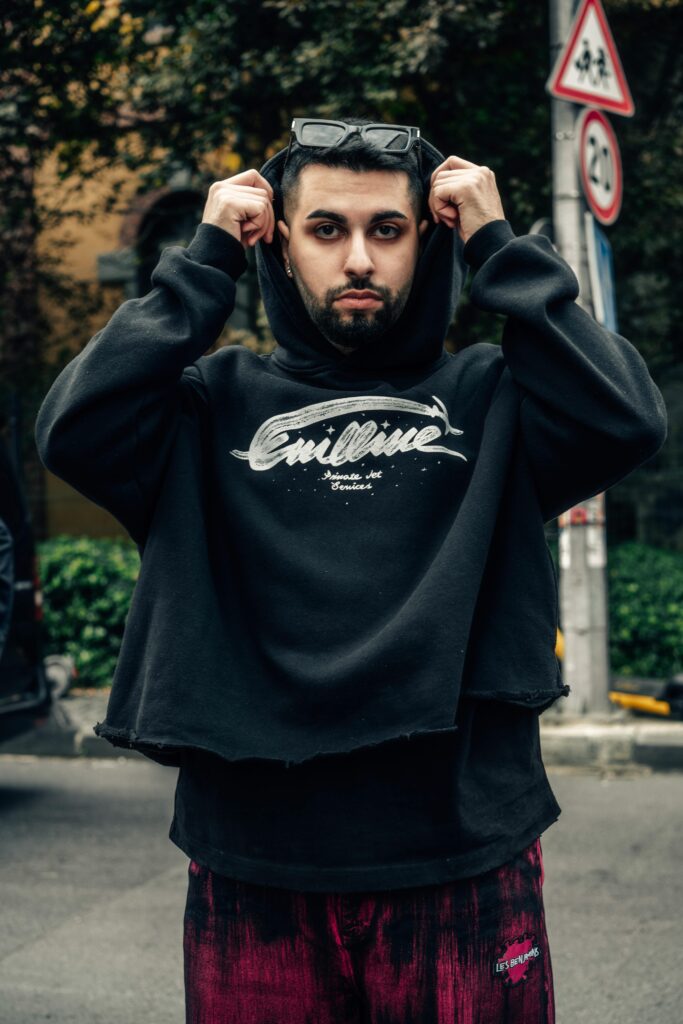
Streetwear has transformed from a rebellious subculture into a driving force behind global fashion, reshaping luxury, identity, and the very definition of style. Today, the lines between streetwear and high fashion are blurred, with collaborations, cultural crossovers, and digital innovation pushing the boundaries of what fashion means. This article dives deep into the evolution, current trends, and future directions of streetwear, revealing how subculture style shifts continue to redefine the industry.
The Subcultural Roots of Streetwear
Streetwear’s journey began in the late 20th century, rooted in the skateboarding and hip-hop scenes of California and New York. These communities valued comfort, utility, and self-expression, rejecting the rigid norms of mainstream fashion. Brands like Stüssy and Supreme emerged as pioneers, blending surf, skate, and urban influences into graphic tees, hoodies, and snapbacks that quickly became symbols of youth rebellion.
- Skate and surf culture: Prioritized practical, durable clothing for active lifestyles.
- Hip-hop influence: Emphasized individuality, bold graphics, and DIY customization.
- Graffiti and street art: Inspired unique prints and visual storytelling.
Streetwear was more than just clothing – it was a statement of identity, creativity, and resistance against conformity.
Streetwear’s Ascent: From Underground to Mainstream
By the 1990s and early 2000s, streetwear had exploded beyond its subcultural origins. The movement’s appeal to youth and its emphasis on authenticity attracted attention from mainstream and luxury fashion houses. Brands like FUBU, Rocawear, and Karl Kani became cultural icons, while collaborations between streetwear and high fashion began to reshape the industry.
Key Milestones
- Supreme x Louis Vuitton (2017): This landmark collaboration signaled streetwear’s official entry into the luxury market, blending uptown sophistication with downtown edge.
- Nike x Off-White: Virgil Abloh’s designs brought streetwear aesthetics to global sneaker culture, driving hype and exclusivity.
- Adidas x Yeezy: Kanye West’s partnership redefined the sneaker landscape, merging celebrity, music, and street style.
These collaborations created buzz, exclusivity, and a new sense of aspiration, making streetwear a staple on runways in Paris, Milan, and New York.
The Blurring of Boundaries: Streetwear Meets High Fashion
The fusion of streetwear and high fashion has led to a casualization of luxury, with hoodies, sneakers, and joggers now paired with designer handbags and tailored blazers. Influential designers like Virgil Abloh (Off-White) and Demna Gvasalia (Balenciaga) have championed this blend, introducing deconstructed silhouettes, oversized fits, and logo-heavy accessories to high fashion collections.
Key characteristics of modern streetwear:
- Comfort-first design: Relaxed silhouettes, functional fabrics, and everyday wearability.
- Logo-centric branding: Bold graphics and visible logos as status symbols.
- Gender fluidity: Androgynous fits and unisex designs challenge traditional norms.
- Sustainability: Eco-friendly materials and ethical production reflect changing consumer values.
Streetwear’s influence is now so pervasive that luxury brands seek street credibility, while streetwear labels aspire to high fashion status – a dynamic described as “trends trickling from the street up”.
Streetwear’s Impact on Global Fashion Trends
Streetwear’s rise has fundamentally changed how people dress, shop, and express themselves. The movement’s focus on individuality and authenticity resonates with a diverse, global audience.
Major Trends Shaping Streetwear in 2025
Recent research and expert predictions highlight several key trends for the coming year:
- Short shorts: Inspired by vintage athletic wear, shorter cuts are making a comeback, especially in summer collections.
- Transparent outerwear and layering: See-through shirts and blouses, combined with layered looks, create visually dynamic outfits.
- Check patterns and pastels: Retro aesthetics from the 90s and 2000s blend with modern colors and prints.
- Floral and animal patterns: All-over prints and filigree illustrations bring nature-inspired motifs to shirts, pants, and accessories.
- Denim all over: Full denim outfits – jackets, pants, shirts, and shorts – are trending, with bold washes and oversized fits.
- Sustainable fashion: Brands like Patagonia and Veja lead the way in eco-friendly streetwear, responding to consumer demand for ethical choices.
- Gender-neutral designs: Oversized, adaptable silhouettes and neutral palettes promote inclusivity and self-expression.
- Limited-edition drops: The “drop” model creates urgency and exclusivity, driving engagement and resale markets.
- Virtual fashion experiences: Digital fashion shows and virtual try-ons are bridging the gap between physical and digital style.
These trends reflect streetwear’s ongoing evolution, blending nostalgia, innovation, and cultural relevance.
The Role of Social Media and Digital Culture
Social media has accelerated streetwear’s growth, turning influencers and online communities into tastemakers. Platforms like Instagram and TikTok showcase new drops, styling ideas, and collaborations, while forums (Reddit, Quora) buzz with discussions about authenticity, resale, and brand hype.
- Influencer marketing: Streetwear brands leverage influencer partnerships to reach wider audiences and build credibility.
- Community engagement: Brands interact directly with fans, incorporating feedback and fostering loyalty.
- Digital exclusivity: Online-only releases and virtual events create new forms of engagement and collectability.
The rise of digital fashion experiences – such as virtual try-ons and metaverse fashion shows – signals a new era for streetwear, where physical and digital identities merge.
Streetwear’s Cultural Significance: Identity, Community, and Expression
At its core, streetwear remains a form of wearable culture, rooted in community, collaboration, and self-expression. The movement’s authenticity and adaptability have allowed it to transcend trends, becoming a lasting symbol of individuality.
- Community-driven: Collaborations between brands, artists, and fans foster innovation and inclusivity.
- Customization: Personalized embroidery, prints, and DIY elements cater to the desire for unique, expressive fashion.
- Cultural storytelling: Streetwear reflects diverse influences, from skate parks to music festivals, creating a shared language of style.
As streetwear continues to evolve, its impact on fashion, identity, and culture will only grow.
What’s Next? The Future of Streetwear and High Fashion
Looking ahead, streetwear’s influence will shape the future of fashion through ongoing innovation, collaboration, and cultural relevance. Expect to see:
- Deeper integration of sustainability and ethical practices
- Expansion of virtual and augmented reality fashion experiences
- Greater emphasis on gender fluidity and inclusivity
- Continued blurring of boundaries between streetwear and luxury
For fashion enthusiasts, designers, and brands, understanding these shifts is essential to staying ahead in a rapidly changing industry.
Ready to explore more about the latest fashion trends and subculture style shifts? Discover in-depth analysis, expert insights, and curated trend reports at blogonfashiontrends.com – your authority on global fashion movements.