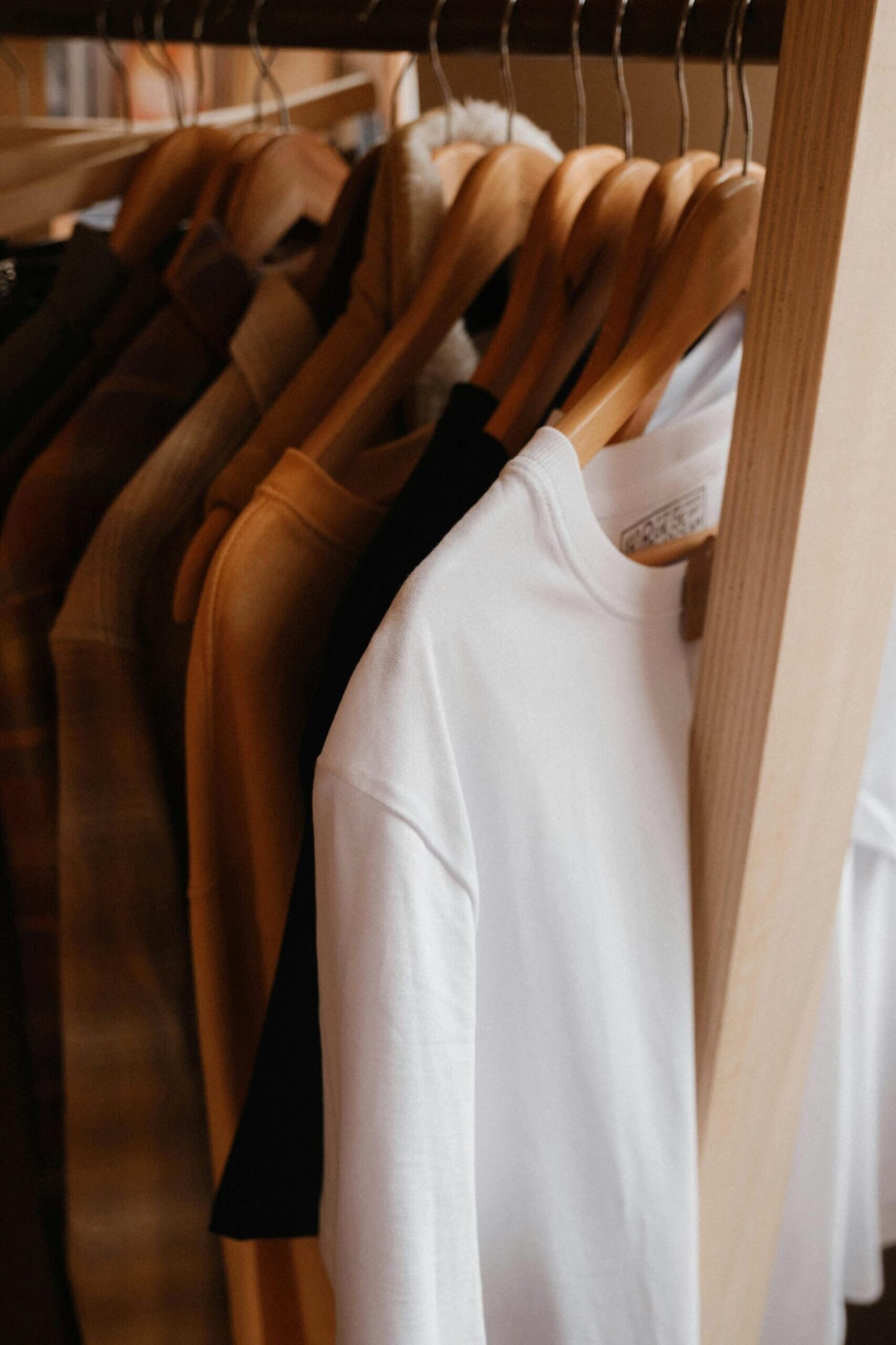
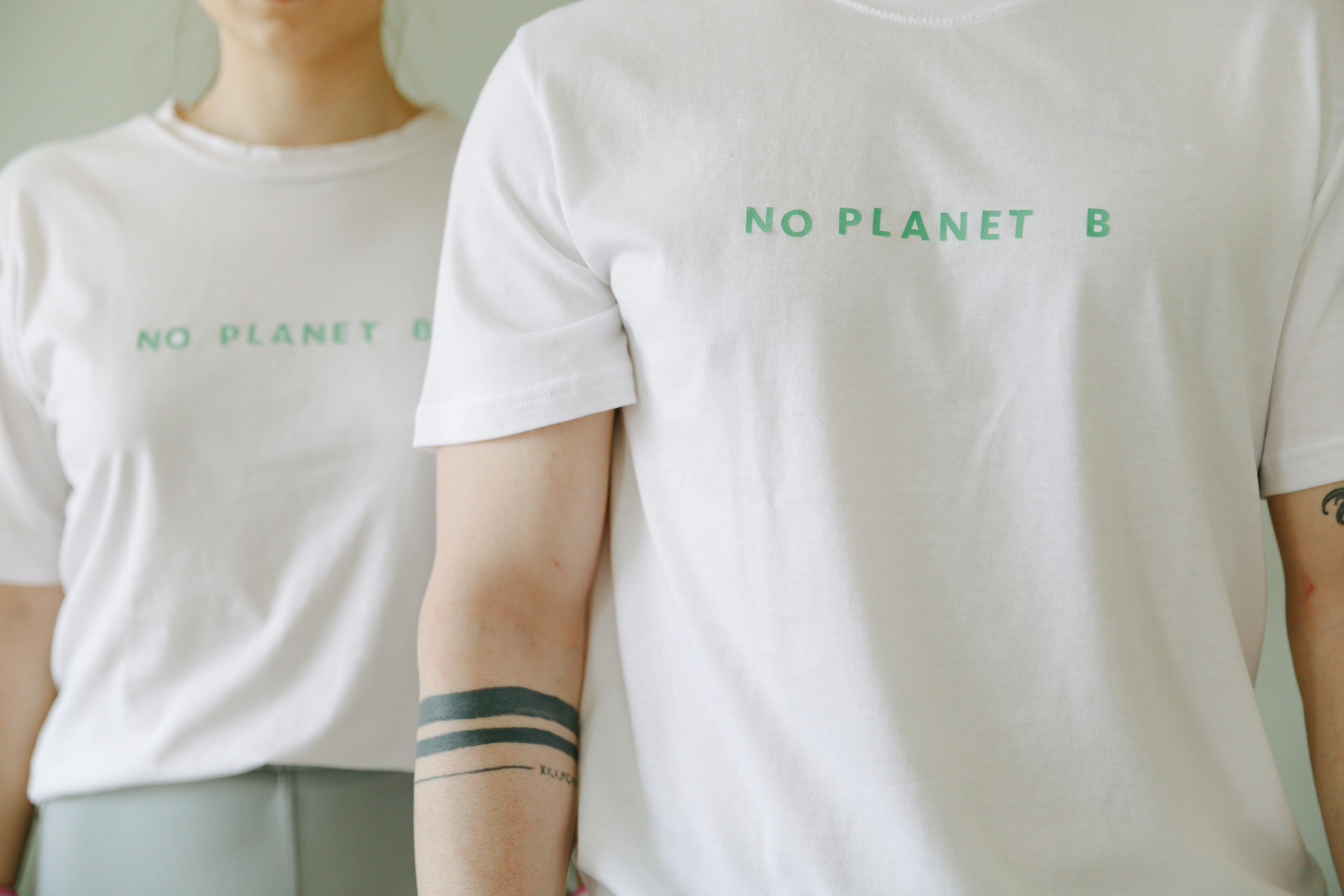
Building a sustainable capsule wardrobe for 2025 is one of the most effective ways to stay stylish, save money, and dramatically cut your fashion footprint. Instead of chasing every fleeting trend, you’ll curate a tight edit of pieces you genuinely love, wear on repeat, and can style dozens of ways.
In this guide, you’ll learn how to design a capsule that works for your lifestyle, what to keep and what to let go, which fabrics are worth investing in, and how to balance 2025 fashion trends with timeless style – all through a sustainability lens.
Why a Capsule Wardrobe Matters More Than Ever in 2025
The fashion industry is still one of the most resource-intensive on the planet. Recent estimates suggest that clothing and footwear are responsible for up to 10% of global carbon emissions and significant water pollution and waste.
Fast fashion’s model of ultra-cheap, ultra-fast turnover leads to:
- Overproduction and unsold inventory that often ends up incinerated or in landfill
- Microplastic shedding from synthetic fabrics like polyester during every wash
- Poor working conditions and low wages along many parts of the supply chain
A sustainable capsule wardrobe tackles this from your own closet outward:
- You buy less but better, so demand for disposable fashion drops.
- You wear each piece more often, which drastically lowers its per-wear impact.
- You lean on timeless silhouettes, not micro-trends, reducing churn.
In 2025, that also means choosing fiber innovations and low-impact materials, shopping secondhand first, and treating your clothes as long-term investments, not short-term content.
What Exactly Is a Sustainable Capsule Wardrobe?
A capsule wardrobe is a small, cohesive collection of clothes and shoes you can mix and match to create many outfits with minimal pieces. A sustainable capsule goes further:
- It prioritizes quality, durability, and repairability over sheer quantity.
- It leans into sustainable fabrics (like organic cotton, linen, TENCEL™ Lyocell, recycled fibers) and low-impact dyes.
- It makes maximum use of what you already own, not just new “eco” shopping.
There’s no rigid rule on size, but most experts suggest:
- Ultra-minimalist: ~10-15 core items (for very simple lifestyles)
- Standard capsule: ~25-40 pieces per season (clothes + shoes, excluding underwear/activewear)
- Extended capsule: 40-50 pieces if you need variety for work, events, and different climates.
For 2025, the sweet spot for many people is around 30-40 core pieces that rotate seasonally and layer well.
Step 1: Audit Your Current Wardrobe (Before You Buy Anything)
The most sustainable clothes are the ones already in your closet. Before you think about 2025 trends or new brands, start here.
1. Empty, Sort, and Be Honest
Take everything out – yes, everything – and sort into four piles:
- Love & wear often: Fits, flatters, and matches your lifestyle.
- Sometimes wear: Good pieces that might need styling help or minor tailoring.
- Don’t wear / doesn’t fit: Be honest about size, comfort, and confidence.
- Damaged: Separate repairable vs. truly worn-out items.
Ask for each piece:
- Does it fit me now, without wishful thinking?
- Can I style it in 3+ outfits with other items I own?
- Is the fabric and construction good enough to last more years?
Everything that scores “yes” becomes a candidate for your capsule.
2. Decide What to Rehome, Repair, or Recycle
For what doesn’t make the cut:
- Sell or swap: Quality pieces in good condition (resale apps, clothing swaps).
- Donate thoughtfully: To organizations that actively place clothes, not just landfill-adjacent drop-offs.
- Repair: Anything you loved but stopped wearing because of a missing button, broken zipper, or loose hem.
- Recycle textile waste: Check local textile recycling or brand take-back programs for worn-out items.
This edit gives you a clear, realistic picture of what you actually need for 2025 – rather than what ads tell you to want.
Step 2: Define Your 2025 Personal Style and Lifestyle Needs
A capsule only works if it reflects your real life, not a fantasy Pinterest board.
1. Map Your Weekly Routine
Roughly estimate how you split your time:
- Work (office, hybrid, remote, creative, corporate?)
- Home and errands
- Social (dinners, dates, events)
- Movement (gym, yoga, long walks)
Then think in outfit formulas you reach for, such as:
- “Wide-leg trousers + tank + blazer + loafers”
- “Relaxed jeans + tee + trench + sneakers”
- “Midi dress + knit + boots”
Your capsule should support those formulas on repeat, not one-off looks.
2. Clarify the Style Keywords You Want to Express
Gather 10-15 saved looks you genuinely love and find the common words:
- Minimal, clean, tailored, neutral
- Soft, feminine, flowing, romantic
- Sporty, modern, functional, techy
Choose 3-5 style words to guide 2025 purchases. If a piece doesn’t fit at least two of them, it likely doesn’t belong in your capsule.
Step 3: Build a Versatile Color Palette
A tight color story is what makes a capsule feel cohesive and effortless.
1. Choose Your Core Neutrals
Pick 2-3 main neutrals that you wear constantly:
- Black, white, charcoal
- Navy, stone, beige, camel
- Cocoa, olive, cream
These become your anchors – for outerwear, tailoring, shoes, and bags.
2. Add 1-3 Accent Colors for 2025
Capsule does not mean colorless. For 2025, you might see:
- Soft blues and cornflower tones (big across sustainable brands)
- Muted pastels like blush, sage, and butter yellow
- Rich earth tones (rust, terracotta, deep green) for season-less warmth
Use these in tops, knits, or accessories so they’re easy to mix with your core neutrals.
3. Keep Prints Intentional
Prints are great – but go strategic:
- Stripes, checks, and simple florals tend to stay timeless.
- Choose prints that share your capsule’s color palette.
- Limit to a few standout pieces so they don’t limit outfit options.
Step 4: Decide How Many Pieces You Need
There is no magic number, but guidelines help.
A 2025 all-season capsule for many lifestyles might look like:
- 8-10 tops (tees, shirts, blouses, lightweight knits)
- 5-6 bottoms (jeans, trousers, shorts/skirts)
- 3-5 dresses or jumpsuits
- 3-5 layers (blazers, cardigans, trench, warm coat)
- 3-5 pairs of shoes (sneakers, boots, sandals, loafers/heels)
Total: roughly 25-35 main pieces, adjusted for your climate and dress code.
Remember: outerwear and shoes tend to last several years; seasonal items can rotate in and out without breaking the system.
Step 5: Choose Sustainable Fabrics and Better Brands
A sustainable capsule wardrobe is built from fibers and finishes that respect both people and planet.
1. Fabrics to Prioritize
- Organic cotton: Uses less water and fewer pesticides than conventional cotton, lowering its environmental footprint.
- Linen: Made from flax, needs fewer inputs, highly durable, and ideal for heat.
- TENCEL™ Lyocell / Modal: Made from wood pulp in a closed-loop process that recycles water and solvents, using 10-20x less water than cotton in some formulations.
- Responsible wool: Look for standards like RWS; great for warmth and longevity.
- Recycled fibers: Recycled polyester or nylon (especially for outerwear) reduce reliance on virgin fossil fuels.
Whenever possible, opt for blends that favor natural or certified fibers and feel substantial in the hand.
2. Fabrics to Limit
- Virgin polyester and acrylic: Cheap but shed microplastics with every wash.
- Ultra-stretch synthetics that lose shape quickly.
- Poorly constructed fast-fashion knits that pill after a few wears.
You don’t need to purge everything synthetic at once, but avoid adding new low-quality synthetics into your 2025 wardrobe if you can.
3. How to Vet Brands Quickly
When you do buy new, look for:
- Transparent supply chain info (where garments are made).
- Clear commitments to living wages and safe working conditions.
- Third-party certifications (GOTS for organic, OEKO-TEX® for harmful substances, Fair Trade, etc.).
- Repair or take-back schemes that extend product life.
Combine this with secondhand first – thrift, vintage, and resale platforms – to dramatically cut the footprint of your capsule.
Step 6: Core Categories for a 2025 Sustainable Capsule
Use this as a flexible checklist, not a strict rulebook. Adjust for your climate, culture, and job.
1. Tops You’ll Wear on Repeat
Aim for 5-8 tops that all work with all your bottoms:
- 2-3 quality t-shirts: At least one white or cream, one darker neutral, and one accent color.
- 1-2 shirts or blouses: A crisp button-down or silky drape for smart looks.
- 1-2 lightweight knits: A fine crewneck or turtleneck in a neutral and a color you love.
These form your Monday-through-Sunday rotation.
2. Bottoms That Match Every Top
Target 3-5 bottoms:
- 1-2 pairs of jeans: One classic wash (mid or dark blue) and one alternative (ecru, black, or a relaxed 2025 cut).
- 1 tailored trouser: In black, navy, or camel – works for office and evenings.
- Optional: shorts or skirt that pair with all your tops and shoes.
Focus on fit first, then fabric, then color.
3. Versatile Dresses & Jumpsuits
You only need 2-4 to feel covered:
- A day-to-night midi dress in a neutral or subtle print.
- A breezy dress for warm days that can layer with knits and coats.
- Optional: a jumpsuit or slip dress that can be styled multiple ways.
Look for pieces that work with sneakers, sandals, and boots to stretch their use across seasons.
4. Layers and Outerwear
Capsules shine when you master layering.
Consider:
- 1 trench or light coat for spring/autumn.
- 1 warm coat (wool or insulated) if you live in a colder climate.
- 1 blazer for structure, or a relaxed chore/jacket if your style is more casual.
- 1 cardigan or zip-up knit for throw-on warmth.
Choose shapes that sit well over your most worn tops and dresses.
5. Shoes That Do the Heavy Lifting
You can keep shoes surprisingly lean:
- White or neutral sneakers: Everyday wear, from jeans to dresses.
- Ankle boots: In black or brown, dress up or down.
- Strappy sandals or mules for warmer months.
- Optional: loafers or low heels if your life leans dressy.
Prioritize comfort and repairable construction (replaceable soles, good leather or certified vegan alternatives).
6. Accessories With Purpose
Accessories let you refresh outfits without more clothes:
- Belts to define shape and change proportions.
- Scarves for warmth and color.
- A small jewelry edit (earrings, necklace, ring) that matches all outfits.
- 1-2 bags: A structured everyday bag and a smaller evening or crossbody.
Again, buy fewer, better – and repair or re-dye where possible instead of replacing.
Step 7: Balancing 2025 Trends With Timeless Style
A sustainable capsule doesn’t mean ignoring trends; it means being selective and slow about them.
Across conscious fashion circles, 2025 is highlighting:
- Relaxed tailoring and wide-leg trousers instead of ultra-skinny fits.
- Soft suiting (unstructured blazers, coordinating sets) that transition from work to weekend.
- Pastels and soft blues, quality denim, and light layers for transitional dressing.
- Looser silhouettes and comfortable footwear that can be dressed up or down.
To keep your capsule current without waste:
- Choose trends that align with your style words (e.g., “relaxed” or “tailored”) rather than something completely opposite.
- Try a trend in an accessory or one hero piece, not your whole wardrobe.
- Commit to only adding trends you can see yourself wearing for at least three years.
That way, your capsule stays modern but not disposable.
Step 8: Smart Shopping Strategy for a 2025 Capsule
Once you’ve edited and mapped your needs, create a targeted shopping list:
- Identify your true gaps (e.g., “warm outer layer,” “office-appropriate trousers,” “versatile sandals”).
- Set a monthly or seasonal budget for wardrobe upgrades.
- Decide your order of priority – usually core basics first, then special pieces.
When you’re ready to buy:
- Shop your closet first to recombine what you own in new ways.
- Check secondhand platforms and vintage for denim, coats, and dresses.
- Only then browse sustainable brands, reading fiber content and care labels carefully.
This approach reduces impulse buys and keeps sustainability front and center.
Step 9: Care, Repair, and Storage to Make Clothes Last
A capsule only stays sustainable if it survives years of wear.
1. Wash Less, and Wash Smarter
Over-washing wears out fabrics and uses energy and water.
- Air out clothes between wears instead of automatically washing.
- Wash at lower temperatures and on gentle cycles.
- Use mild detergents and skip heavy fabric softeners that can coat fibers.
- For synthetics, consider a microfiber filter bag or filter to reduce plastic shedding.
2. Embrace Simple Repairs
Basic mending skills will dramatically extend garment life:
- Re-sew buttons, tighten loose seams, and fix minor snags.
- Learn simple darning or use visible mending as a design detail.
- For complex issues (zipper replacements, major tailoring), build a relationship with a local tailor.
3. Store by Season If Helpful
If your climate has strong seasons, consider:
- Storing off-season pieces clean, folded or hung properly, with protection against moths (cedar, lavender).
- Rotating capsules seasonally to keep your daily rail visually calm and edited.
This reduces wear and tear and keeps your style feeling fresh without buying more.
A Sample Day-to-Night 2025 Capsule Formula
To visualize it, imagine a typical week using just a small slice of your capsule:
- Workday: Wide-leg trousers + organic cotton tee + blazer + loafers
- Casual day: Relaxed denim + striped tee + trench + sneakers
- Evening: Midi dress + cardigan + boots + simple gold earrings
- Weekend: Linen shorts or soft joggers + tank + oversized shirt + sandals
All pulled from the same small, well-chosen collection – no overstuffed closet required.
Making Your 2025 Wardrobe Truly Yours
A sustainable capsule wardrobe is not about rigid rules or looking like everyone else. It’s about building a personal uniform library: pieces that feel like you, fit your real life, and respect the planet.
To recap your next steps:
- Edit your current wardrobe and keep only what you love and wear.
- Define your style words, color palette, and lifestyle needs.
- Use a piece count range (around 25-40) as a flexible guide, not a commandment.
- Prioritize sustainable fabrics, ethical production, and secondhand options.
- Add 2025 trends slowly and intentionally, only where they genuinely serve you.
- Commit to better care and repair, so your clothes live many lives.
If you want more style tips, capsule inspiration, and sustainable fashion insights that go deeper into trends, fabrics, and outfit formulas, exploring resources from Blog on Fashion Trends at https://blogonfashiontrends.com is a great next step. You’ll find fashion-forward advice that keeps you aligned with both your aesthetic and your values.
With a thoughtful plan and a bit of editing, your 2025 sustainable capsule wardrobe can become one of the most empowering – and planet-friendly – style decisions you make.
https://shorturl.fm/hmpTQ