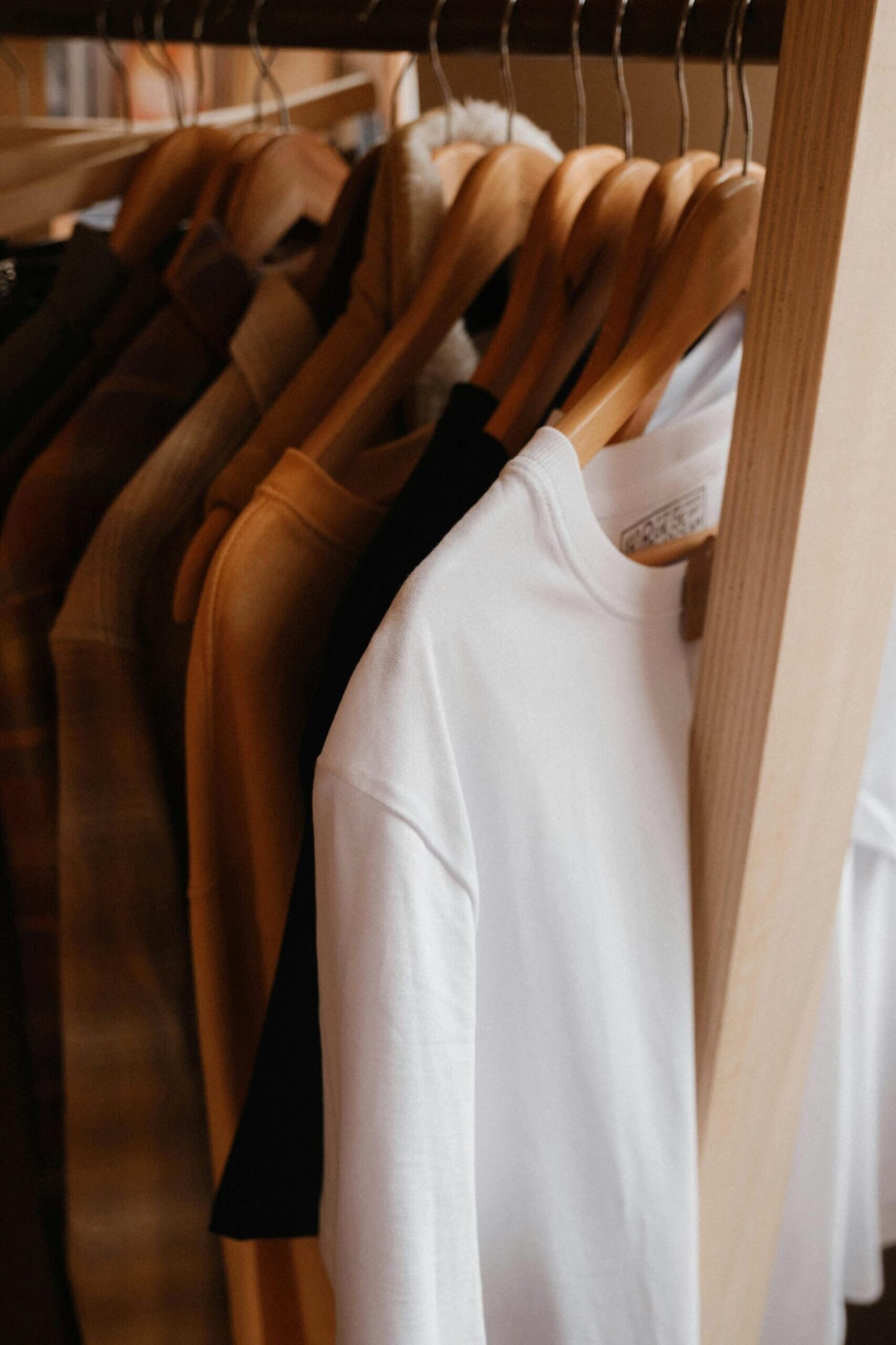
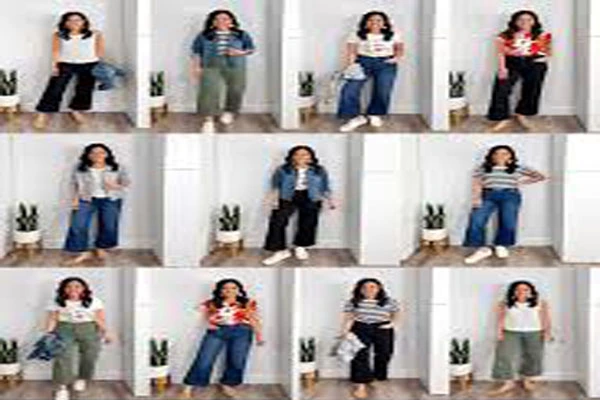
Fashion is about expression, creativity, and having fun with the wardrobe you already own. You don’t need a closet full of brand-new clothes to look stylish—what you need is the skill to mix and match your pieces effectively. Mastering this technique can transform your everyday outfits, maximize your wardrobe, and even save you money. This guide explores Mixing and Matching: How to Create Trendy Looks with What You Own, helping you unlock the potential of your wardrobe while staying on trend.
Why Mixing and Matching: How to Create Trendy Looks with What You Own Matters
Save Money and Time:
One of the biggest advantages of learning to mix and match is financial efficiency. You can look fashionable without constantly buying new items. Fashion studies have shown that curating a versatile, mix-and-match wardrobe can reduce shopping expenses by up to 40% annually.
Not only does this save money, but it also saves time. By knowing how to pair your existing pieces, you’ll spend less time deciding what to wear each day. Instead of staring at a closet full of clothes and feeling overwhelmed, you can confidently assemble outfits in minutes.
Boost Creativity and Style Confidence:
Mixing and matching encourages experimentation. When you creatively pair items, you develop a personal style that stands out. A study found that 70% of individuals feel more confident when outfits are intentionally styled rather than thrown together.
By mixing and matching, you learn to play with textures, colors, and patterns. You can create unique looks from basic items, boosting your confidence and letting your personality shine through your fashion choices.
Sustainability Benefits:
Fashion sustainability is a major concern in today’s world. By making the most of what you already own, you reduce the need for new purchases. Fewer clothing buys translate into a smaller carbon footprint and less textile waste. Some estimates suggest that a strategic mix-and-match wardrobe can lower your environmental impact by 25–30% annually. This makes your style choices not only trendy but responsible.
Identifying Key Pieces in Your Wardrobe
To maximize your ability to mix and match, you need to know which pieces are essential, which are statement-making, and which accessories can multiply your outfit options.
Wardrobe Essentials:
Wardrobe essentials form the backbone of your mix-and-match strategy. These timeless items include:
- White T-shirts
- Denim jeans
- Tailored blazers
- Little black dresses
- Classic shoes like loafers, ankle boots, and neutral sneakers
These staples are versatile and form the foundation for countless outfits. Their neutral nature makes them easy to combine with bolder items.
Statement Pieces:
Statement pieces bring personality to your looks. They can include:
- Bold-colored jackets or coats
- Patterned skirts or trousers
- Graphic tees or embroidered tops
- Vibrant handbags or shoes
Quantitative Insight: A statement piece with a high versatility score (how many outfits it can create) can often transform 3–5 base outfits into completely new looks.
Accessory Power:
Accessories are the secret multipliers in any mix-and-match wardrobe. Belts, scarves, jewelry, hats, and bags can elevate simple outfits and create visual interest.
Real-Life Example: A plain black dress can look entirely different when paired with a patterned scarf, a belt to cinch the waist, and statement heels. Accessories allow you to refresh the same base item multiple times without repetition.
How to Mix and Match: Step-by-Step Guide
Creating stylish outfits from what you own requires strategy, creativity, and a few simple rules.
Start with Neutrals:
Neutrals like black, white, beige, grey, and denim are your best friends. They allow flexibility when combining different items. A neutral base increases outfit versatility by up to 50%, allowing you to pair these items with bold colors or patterns without clashing.
Example: Pair beige trousers with a white top and a bold-colored blazer. The neutral base ensures the colors don’t overwhelm the outfit.
Pair Different Textures and Fabrics:
Mixing textures adds depth and interest. Combining materials like leather, silk, cotton, and knits creates a visually appealing outfit.
Metrics: Visual interest score increases by 20–30% when contrasting textures are paired effectively.
Example: Leather pants with a silk blouse and a knit cardigan create a sophisticated, layered look.
Balance Patterns and Prints:
Pattern mixing can seem intimidating, but it’s manageable with the right approach. The key is balancing scale and color.
- Large prints can be paired with small prints in complementary colors.
- Stick to 2–3 colors to avoid visual chaos.
Real-Life Example: Pairing a striped top with a floral skirt in the same color family creates a harmonious yet stylish combination.
Layer Strategically:
Layering is essential for creating multiple looks with the same pieces. Jackets, vests, blazers, and cardigans allow you to transform base outfits.
Quantitative Insight: A layered wardrobe can increase outfit combinations by 3–5x, turning basic pieces into fashion-forward ensembles.
Example: A white tee and jeans can be worn alone for a casual look, with a blazer for work, or with a leather jacket for an evening outing.
Accessorize Intelligently:
Accessories elevate outfits from basic to trendy. Statement shoes, belts, scarves, and jewelry can transform any look.
Example: Swap plain sneakers for metallic loafers, add a belt, or layer necklaces to refresh a base outfit.
Seasonal Mixing and Matching
Spring and Summer Outfits:
For warmer months:
- Opt for light fabrics like cotton, linen, and silk
- Pastel and vibrant colors work well with neutrals
- Sandals, slides, and lightweight sneakers complete outfits
Real-Life Example: Pair a pastel skirt with a neutral blouse and slide sandals. Add a patterned scarf for flair.
Fall and Winter Outfits:
For colder months:
- Layer sweaters, coats, and scarves
- Boots and closed-toe shoes are essential
- Earth tones and muted shades mix well with neutrals
Metrics: Outfit adaptability scores increase when layers are incorporated, providing both warmth and style flexibility.
Example: Combine a turtleneck sweater with a blazer, jeans, and ankle boots. Swap the blazer for a coat to transition from office to evening.
Pros and Cons of Mixing and Matching: How to Create Trendy Looks with What You Own
Pros:
- Cost-effective: Maximizes existing wardrobe
- Versatile: Endless outfit combinations
- Sustainable: Reduces overconsumption
- Creative: Encourages personal style exploration
Cons:
- Planning required: Some outfits need thought
- Risk of repetition: Accessories and layering are necessary to avoid monotony
- Limited variety: If wardrobe lacks color or texture diversity, combinations may be restricted
Product Specifications and Wardrobe Metrics
| Item Type | Versatility Score | Outfit Combinations | Comfort Rating | Sustainability Impact |
| White T-shirt | High (9/10) | 10+ | 9/10 | High |
| Classic Jeans | High (8/10) | 8+ | 8/10 | High |
| Tailored Blazer | Medium (7/10) | 6–8 | 8/10 | Moderate |
| Little Black Dress | High (9/10) | 10+ | 7/10 | Moderate |
| Statement Jacket/Coat | Medium (6/10) | 5–7 | 7/10 | Moderate |
| Accessories (Belt, Scarf) | High (10/10) | 12+ | N/A | High |
Real-Life Examples of Mixing and Matching
Everyday Street Style:
- Jeans + white tee + blazer + sneakers = casual chic
- Add a patterned scarf or a statement bag to transform the look for social outings
Office and Professional Looks:
- Tailored trousers + blouse + blazer = polished office-ready outfit
- Swap shoes or add a belt to transition from day to evening seamlessly
Social and Evening Outfits:
- Little black dress + jacket + statement heels
- Layer jewelry or swap accessories to create unique styles each time
Expert Tips for Maximizing Mixing and Matching
Invest in Versatile Staples:
Focus on timeless, high-quality pieces that can be worn in multiple ways. Staples like white tees, jeans, and classic blazers are invaluable.
Use Accessories to Refresh Looks:
Shoes, bags, scarves, and jewelry can change the mood of an outfit without new clothes.
Plan Your Outfits Ahead:
Pre-planning outfits reduces decision fatigue and ensures cohesive style throughout the week.
Experiment Without Fear:
Play with colors, prints, and layering. Don’t be afraid to try unconventional combinations—fashion is about self-expression.
Final Verdict: Mixing and Matching: How to Create Trendy Looks with What You Own
Maximizing your wardrobe is a skill that saves money, enhances creativity, and promotes sustainability. By mixing and matching effectively, you can create countless trendy outfits from the pieces you already own. Layering, accessorizing, balancing patterns, and using wardrobe staples strategically ensures your style is always fresh and personalized.
Mastering Mixing and Matching: How to Create Trendy Looks with What You Own allows you to confidently express your personality, explore new combinations, and stay on top of fashion trends—all without needing a massive closet or constant shopping.