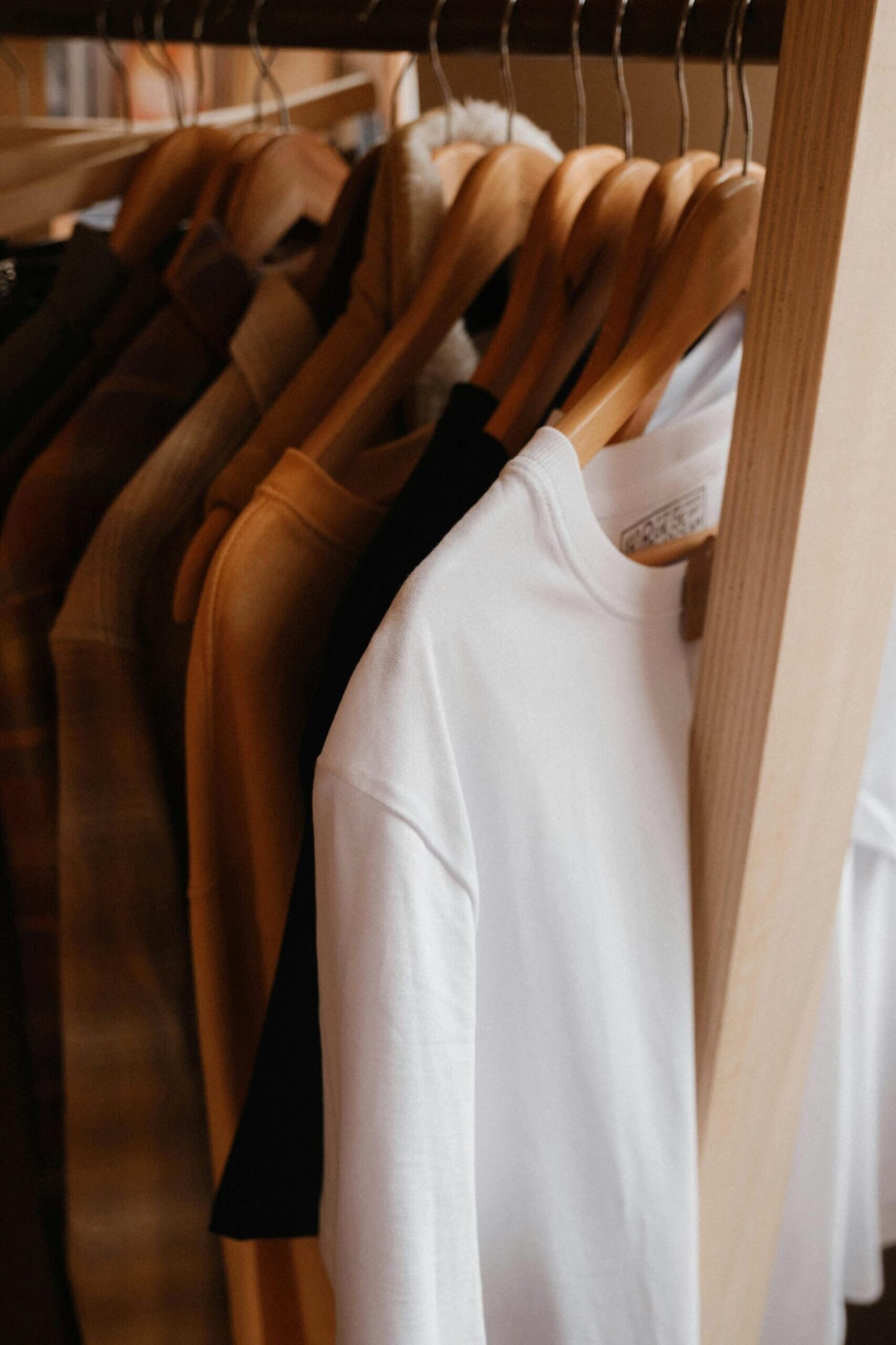
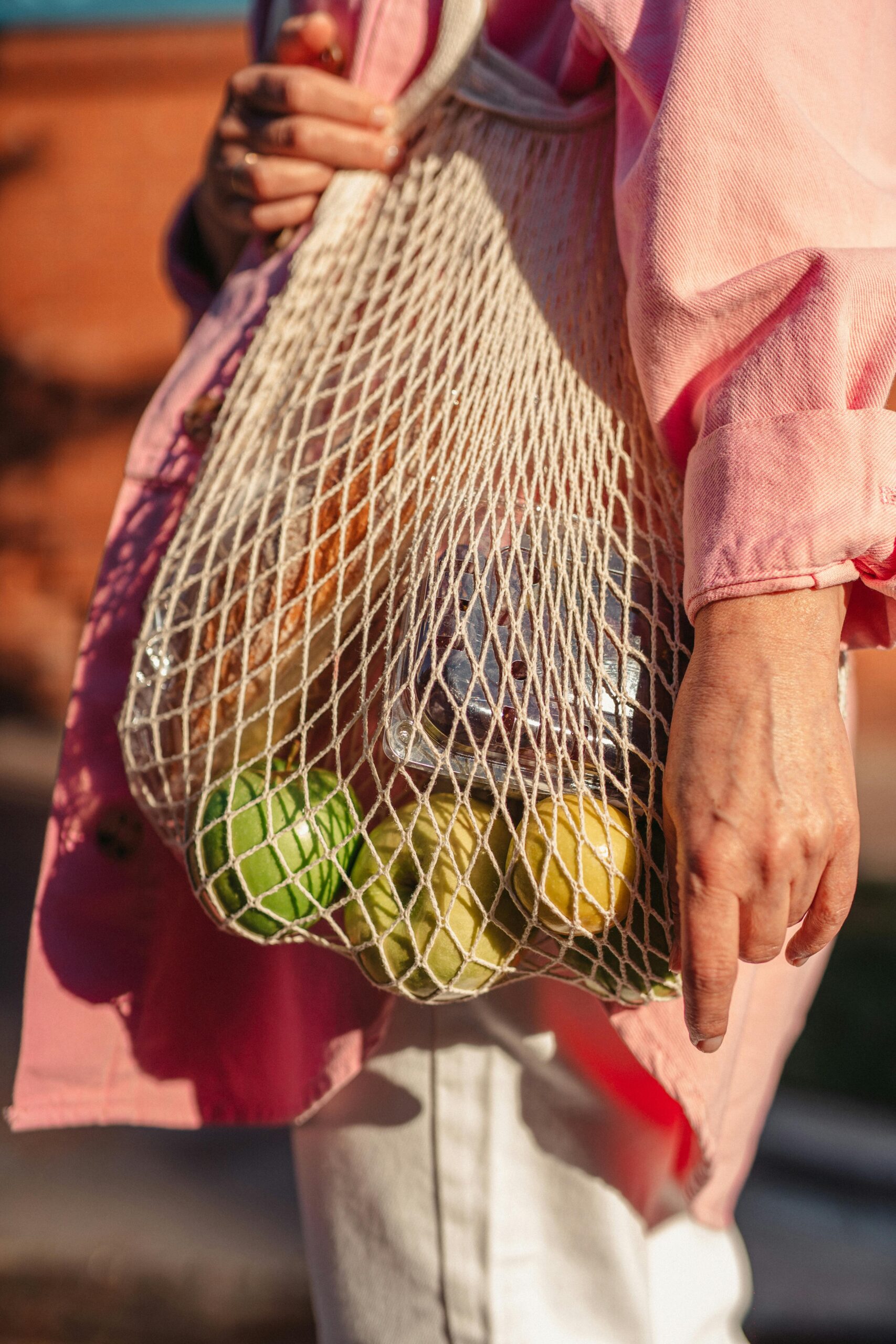
The fashion world is undergoing a seismic shift as vegan materials move from niche innovation to mainstream must-have. With sustainability and animal welfare now central to consumer values, brands are racing to develop cruelty-free, eco-friendly alternatives that don’t compromise on style or performance. This post explores the latest breakthroughs in vegan fashion, the market’s explosive growth, and what’s next for ethical fashion – giving you the insights and inspiration to stay ahead in a rapidly evolving industry.
Why Vegan Materials Are Transforming Fashion
Fashion’s reliance on animal-derived materials like leather, wool, silk, and fur has long raised ethical and environmental concerns. Traditional leather production, for example, is linked to deforestation, water pollution, and high greenhouse gas emissions. The shift to vegan materials is driven by:
- Animal welfare: Avoiding cruelty and exploitation.
- Environmental impact: Reducing carbon footprint, water use, and pollution.
- Consumer demand: Millennials and Gen Z are prioritizing ethical purchases and transparency.
- Innovation: New materials rival traditional ones in durability, aesthetics, and versatility.
Brands embracing vegan fashion not only align with consumer values but also differentiate themselves in a competitive market, building trust and loyalty among environmentally conscious shoppers.
The Explosive Growth of Vegan Fashion
The vegan fashion market is experiencing unprecedented growth:
- The global vegan women’s fashion market is projected to reach USD 689.06 billion in 2025, with a CAGR of 13.53% through 2033.
- The vegan clothing market overall is expected to grow from USD 883.1 million in 2025 to USD 2,760 million by 2035.
- Footwear and accessories are leading the surge, with major brands phasing out leather, fur, and wool in favor of plant-based and lab-grown alternatives.
This momentum is fueled by heightened environmental consciousness, ethical consumerism, and increased demand for sustainable alternatives – especially among younger generations.
Breakthroughs in Vegan Materials
Plant-Based Leather Alternatives
Vegan leather is at the forefront of ethical fashion innovation. Key materials include:
- Piñatex: Made from pineapple leaf fibers, Piñatex is durable, lightweight, and biodegradable. Used in shoes, bags, and accessories by brands like Hugo Boss and Adidas.
- Mylo (Mushroom Leather): Derived from mycelium, Mylo offers a soft, supple texture and is used in luxury and mainstream collections.
- Apple Leather: Created from apple waste, this material is gaining traction for trims and accessories.
- Cactus Leather (Desserto): Water-efficient and stylish, cactus leather is ideal for premium products.
These materials are not only cruelty-free but also resource-efficient, often requiring less water and energy than traditional leather.
Upcycled and Recycled Vegan Materials
Upcycling is revolutionizing waste management in fashion:
- Piñatex and coffee-based fabrics repurpose agricultural waste into durable textiles.
- Recycled polyester and plastics are widely used in vegan fashion, reducing landfill waste and promoting circularity.
- Brands like Stella McCartney are pioneering plastic-free, plant-based sequins made from cellulose, showcasing the potential of biodegradable embellishments.
Cruelty-Free Dyes and Finishes
Traditional dyeing processes often rely on toxic chemicals and animal-derived ingredients. Vegan-certified dyes offer sustainable alternatives:
- Plant-based dyes: Turmeric, indigo, beetroot, and other natural sources provide vibrant hues without compromising sustainability.
- Non-toxic synthetics: Engineered for safety and environmental compatibility, these dyes are gaining widespread acceptance.
Eco-Friendly Textiles
Beyond leather, vegan fashion is embracing a range of sustainable textiles:
- Organic cotton: Holds a 22% market share, with brands like Patagonia and People Tree leading the way.
- Bamboo, hemp, and Tencel (lyocell): These plant-based fabrics are breathable, durable, and biodegradable.
- Algae-based textiles: Emerging as a low-impact alternative, requiring fewer resources to produce.
Circular Fashion and Supply Chain Transparency
The rise of circular fashion is reshaping the industry’s approach to waste and longevity:
- Brands are designing garments for recycling, upcycling, or biodegradation, significantly reducing waste.
- Take-back programs allow consumers to return old clothes for repurposing, driving a low-waste consumption model.
- Blockchain technology ensures supply chain transparency, enabling shoppers to trace a product’s journey from raw materials to finished pieces.
Transparency builds trust and encourages ethical practices, making it a key differentiator for brands in the vegan fashion space.
Market Leaders and Innovators
Several brands are setting the standard for vegan and sustainable fashion:
- Stella McCartney: A pioneer in cruelty-free luxury, now developing plant-based sequins and mushroom leather garments.
- Veja: Known for vegan sneakers made from wild rubber and recycled materials.
- TALA: Merges style and sustainability with recycled fabrics and influencer-driven campaigns.
- Pact: Focuses on organic vegan basics with carbon-neutral operations.
- ZARA: Expands vegan product ranges under its sustainable Join Life program.
- Boody and Thought Clothing: Utilize bamboo and other plant-based fabrics.
- Tentree and Amour Vert: Incorporate Tencel and hemp fibers for eco-friendly apparel.
These brands demonstrate that vegan fashion can be stylish, accessible, and high-performing.
Challenges and Opportunities Ahead
Despite rapid growth, the vegan fashion industry faces several challenges:
- Durability and scalability: Some plant-based fabrics are still in development and may be limited in durability or scalability.
- Environmental impact of synthetics: While synthetic vegan materials avoid animal cruelty, they can pose environmental risks if not properly managed.
- Premium pricing: Sustainable products often come at a higher cost, which can limit accessibility.
- Greenwashing: Misleading sustainability claims can harm brand perception and erode consumer trust.
To overcome these hurdles, brands must invest in R&D, prioritize transparency, and educate consumers about the true impact of their choices.
What’s Next for Ethical Fashion?
Looking ahead, the future of vegan fashion is defined by innovation, integration, and impact:
- Lab-grown and bioengineered textiles: Expect to see more cultured substitutes and smart vegan fabrics with thermal properties and AI-based design.
- Regenerative materials: Closed-loop systems and certified carbon-neutral production will become standard.
- Technology integration: Blockchain, temperature-control bio-fabrics, and cradle-to-cradle lifecycle management will drive the next wave of sustainable fashion.
- Mainstream adoption: High-street retailers and luxury houses are expanding vegan ranges, making ethical fashion accessible to all.
Consumers will continue to demand transparency, circularity, and biodegradability, pushing brands to innovate and lead with purpose.
How to Embrace Vegan Fashion Today
If you’re ready to make the switch to vegan fashion, here’s how to get started:
- Look for certifications: PETA-Approved Vegan, GOTS, and other labels ensure products meet ethical standards.
- Research materials: Choose brands that use plant-based, recycled, or upcycled materials.
- Prioritize transparency: Support companies that disclose their sourcing and production practices.
- Invest in quality: Opt for timeless, well-constructed pieces that last, reducing waste and promoting sustainability.
- Explore innovative brands: Discover leaders in vegan fashion through curated lists and reviews.
For more insights and the latest trends in ethical fashion, visit blogonfashiontrends.com.
The Path Forward: Ethical Fashion for a Sustainable Future
The rise of vegan materials marks a turning point for the fashion industry, offering a blueprint for sustainability, compassion, and innovation. As technology advances and consumer awareness grows, vegan fashion will continue to redefine what it means to dress ethically – making cruelty-free, eco-friendly style the new standard.
Whether you’re a designer, retailer, or conscious consumer, embracing vegan materials is more than a trend; it’s a movement toward a better future for fashion, the planet, and all its inhabitants. Stay informed, stay inspired, and join the revolution at blogonfashiontrends.com.
Ready to explore the latest in vegan fashion? Share your thoughts, questions, or favorite brands below – and help shape the future of ethical style.