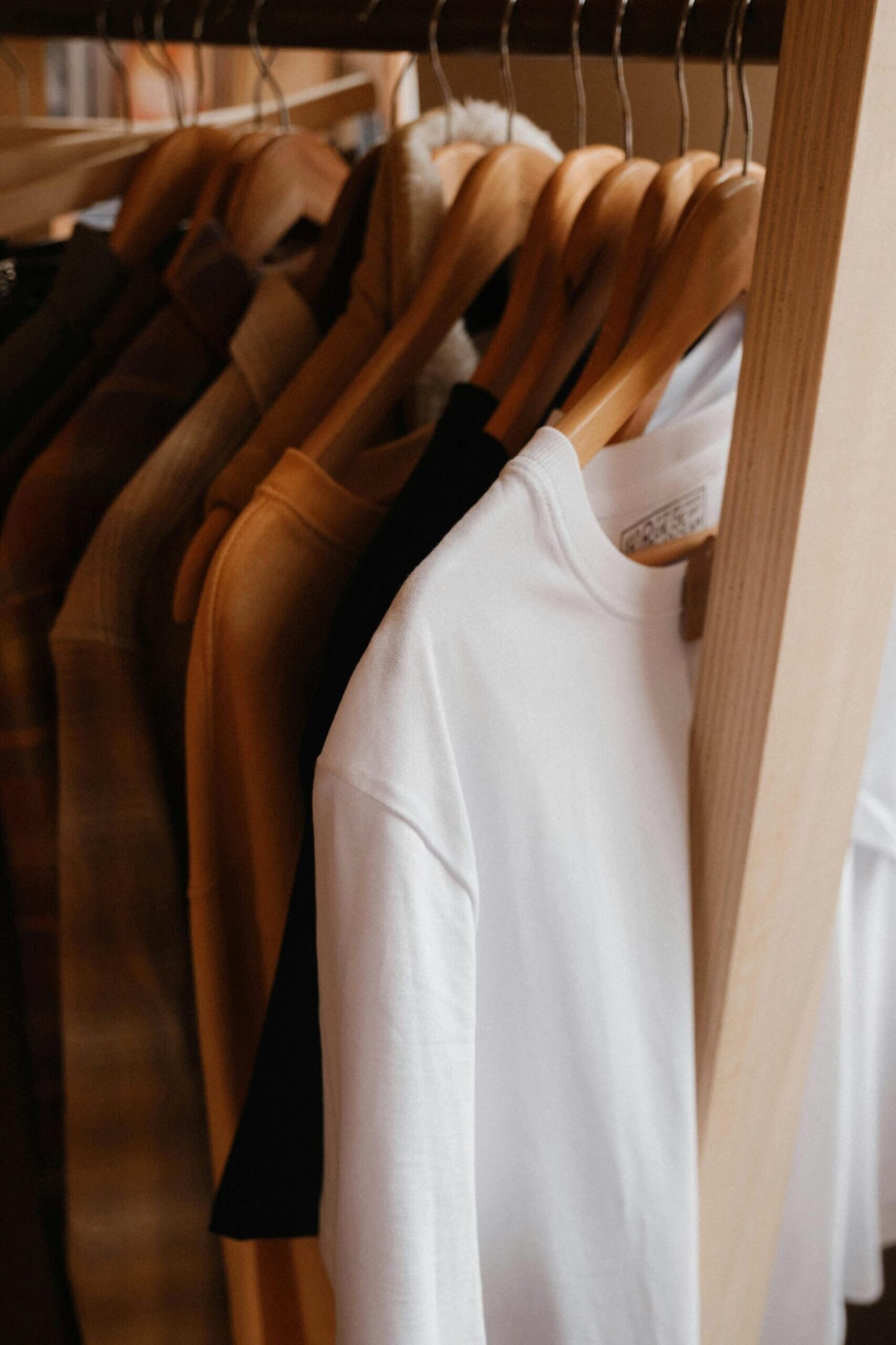
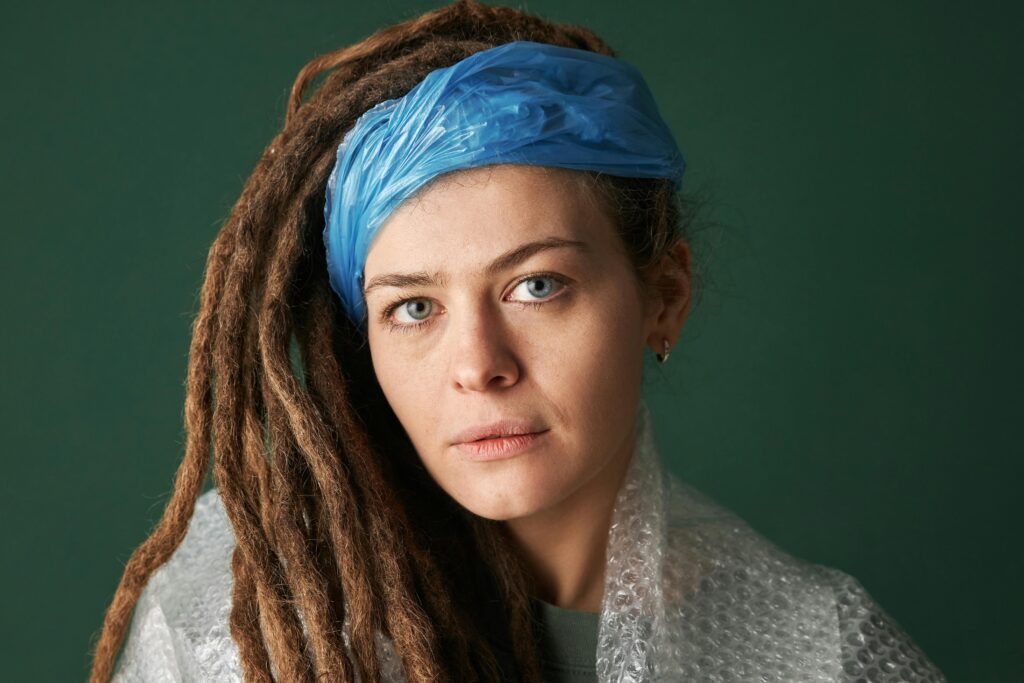
Sustainable style is more than a trend-it’s a movement reshaping the global fashion landscape. As consumers become increasingly eco-conscious, upcycled fashion has emerged as a powerful way to reduce waste, express creativity, and refresh your wardrobe with one-of-a-kind pieces. Whether you’re a style enthusiast or a sustainability advocate, this guide will show you how upcycling can transform both your closet and your impact on the planet.
Why Upcycled Fashion Is Taking Over
The fashion industry is undergoing a seismic shift. With over 92 million tons of textile waste produced annually, the need for sustainable solutions has never been more urgent. Upcycled fashion-transforming old or discarded garments into new, stylish pieces-offers a creative and responsible alternative to fast fashion’s disposable culture.
Key reasons upcycled fashion is booming:
- Market Growth: The global upcycled fashion market is projected to grow from $8.25 billion in 2024 to $16.70 billion by 2032, with a CAGR of over 9%.
- Consumer Demand: 34% of consumers now prefer sustainable apparel brands, with even higher rates among Millennials, Gen Z, and non-binary shoppers.
- Economic Value: Upcycling adds $5.2 billion in economic value annually in the U.S. alone, and the sector could be worth over $100 billion globally by 2030.
- Unique Style: Upcycled pieces are inherently unique, allowing wearers to express individuality and creativity.
What Is Upcycled Fashion?
Upcycled fashion refers to the process of taking old, unused, or discarded clothing and transforming it into new, higher-value items. Unlike recycling, which often breaks materials down, upcycling retains the original fabric and enhances its value through design, repair, or creative alteration.
Examples:
- Turning a vintage dress into a modern skirt and top set
- Adding embroidery or patches to a plain denim jacket
- Repurposing t-shirts into tote bags or headbands
Upcycling not only diverts textiles from landfills but also encourages a more personal connection with your wardrobe.
The Environmental and Social Impact
Reducing Waste and Carbon Footprint
- Textile Waste: The fashion industry is responsible for a significant portion of global landfill waste. Upcycling extends garment lifespans and reduces the need for new production, directly cutting down on waste and emissions.
- Resource Efficiency: Upcycled fashion uses fewer resources-no new fabric, less water, and lower energy consumption compared to manufacturing new clothes.
Supporting Circular Economy
- Circular Fashion: Upcycling is a cornerstone of the circular economy, where products are designed for longevity, reuse, and eventual recycling.
- Economic Opportunities: The circular fashion sector has generated billions in revenue and created thousands of jobs, especially in regions with strong sustainability policies.
Empowering Communities
- Artisan Skills: Upcycling often relies on traditional crafts like embroidery, patchwork, and tailoring, supporting local artisans and preserving heritage skills.
- Inclusivity: Gender-neutral and size-inclusive upcycled designs are making sustainable fashion accessible to a broader audience.
Creative Upcycling Techniques to Try
Ready to refresh your closet? Here are some of the most popular and effective upcycling techniques:
1. Patchwork Magic
Combine fabric scraps from old shirts, jeans, or dresses to create bold patchwork designs. This technique is especially popular for jackets, skirts, and bags, offering an eclectic, artistic vibe.
2. Embroidery and Appliqué
Add intricate embroidery or fabric appliqué to plain garments for a custom, high-fashion look. Even simple stitches can transform a basic tee or pair of jeans into a statement piece.
3. Dyeing and Painting
Revitalize faded or stained clothing with natural or synthetic dyes. Tie-dye, ombré, and fabric painting are all on-trend ways to give old clothes new life.
4. Deconstruction and Reconstruction
Take apart outdated garments and reassemble them into something new. For example, turn a men’s button-up shirt into a chic crop top or a pair of wide-leg pants into a fitted skirt.
5. Accessory Reinvention
Use leftover fabric to make scrunchies, headbands, belts, or even jewelry. Small accessories are a great way to use up scraps and add flair to your outfits.
6. T-Shirt Transformations
Old t-shirts can be cut and sewn into tank tops, tote bags, or even pillow covers. No-sew options like fringe or knotting are perfect for beginners.
7. High-Tech Upcycling
Digital embroidery, laser cutting, and 3D printing are pushing the boundaries of what’s possible in upcycled fashion. These technologies allow for precision and creativity, making upcycling more accessible and innovative than ever.
Upcycled Fashion Trends to Watch in 2025
The upcycled fashion scene is evolving rapidly, with several trends set to dominate this year:
- Patchwork and Mixed Media: Expect to see more garments featuring bold patchwork, mixed fabrics, and visible mending.
- Deconstructed Denim: Frayed edges, asymmetrical hems, and layered denim are giving classic jeans and jackets a modern twist.
- Vintage Revival: Designers are modernizing vintage pieces with contemporary cuts, bold embroidery, and unexpected details.
- Gender-Neutral Styles: Upcycled fashion is leading the way in inclusive, unisex designs that break traditional fashion boundaries.
- Tech-Driven Upcycling: Digital design tools and sustainable manufacturing methods are making upcycled fashion more innovative and scalable.
How to Start Upcycling Your Closet
You don’t need to be a professional designer to embrace upcycled fashion. Here’s how to get started:
Step 1: Audit Your Wardrobe
- Set aside clothes you no longer wear due to fit, style, or minor damage.
- Look for items with quality fabric or interesting details that can be repurposed.
Step 2: Get Inspired
- Browse Pinterest, Instagram, and upcycling blogs for ideas.
- Follow upcycling hashtags and accounts for tutorials and before-and-after transformations.
Step 3: Gather Supplies
- Basic sewing kit (needle, thread, scissors)
- Fabric glue or iron-on patches for no-sew projects
- Embroidery floss, fabric paint, or dye
Step 4: Start Simple
- Try easy projects like adding patches, cropping tops, or making scrunchies.
- Gradually work up to more complex alterations as your skills grow.
Step 5: Share and Swap
- Host a clothing swap with friends or join local upcycling workshops.
- Share your creations on social media to inspire others and connect with the upcycling community.
Where to Find Upcycled Fashion
If DIY isn’t your style, there are plenty of ways to shop upcycled fashion:
- Online Marketplaces: Platforms like Etsy, Depop, and Poshmark feature thousands of upcycled pieces from independent designers.
- Boutiques and Pop-Ups: Many local boutiques and pop-up shops now offer curated upcycled collections.
- Major Retailers: Leading brands are launching upcycled lines and collaborating with designers to bring sustainable fashion to the mainstream.
Upcycling Success Stories
Designer Collaborations
Luxury brands and independent designers alike are embracing upcycling. From runway collections made entirely of repurposed materials to capsule lines with zero-waste goals, upcycled fashion is gaining prestige and visibility.
Community Initiatives
Grassroots organizations and nonprofits are teaching upcycling skills, hosting repair cafés, and supporting circular fashion economies in cities worldwide.
Influencer Impact
Sustainable fashion influencers are driving awareness and adoption of upcycled fashion, sharing tutorials, styling tips, and ethical shopping guides with millions of followers.
Frequently Asked Questions About Upcycled Fashion
What’s the difference between upcycling and recycling in fashion?
Upcycling transforms old garments into higher-value items without breaking them down, while recycling typically involves processing materials into fibers for new fabric production.
Is upcycled fashion more expensive?
Not necessarily. DIY upcycling can be very affordable, and even designer upcycled pieces are often priced competitively with new, high-quality garments-especially considering their uniqueness and sustainability benefits.
How can I make my upcycled creations last?
- Use quality materials and reinforce seams.
- Follow care instructions for delicate fabrics.
- Store items properly to prevent damage.
Can upcycled fashion really make a difference?
Absolutely. If every person upcycled just one garment per year, it would save thousands of tons of textile waste from landfills and reduce the demand for resource-intensive new clothing production.
The Future of Upcycled Fashion: Your Role in Sustainable Style
Upcycled fashion is more than a creative outlet-it’s a powerful way to reduce your environmental footprint, support ethical practices, and express your unique style. As the market continues to grow and innovation accelerates, upcycling is poised to become a cornerstone of the fashion industry’s sustainable future.
Ready to make a difference? Start by exploring your own closet, experimenting with upcycling techniques, or supporting brands and designers committed to sustainable fashion. For more insights on the latest trends and practical tips, visit blogonfashiontrends.com-your resource for staying ahead in the world of conscious style.
Refresh your wardrobe. Redefine your impact. Upcycle your fashion story-one creative piece at a time.
https://shorturl.fm/dtwqJ