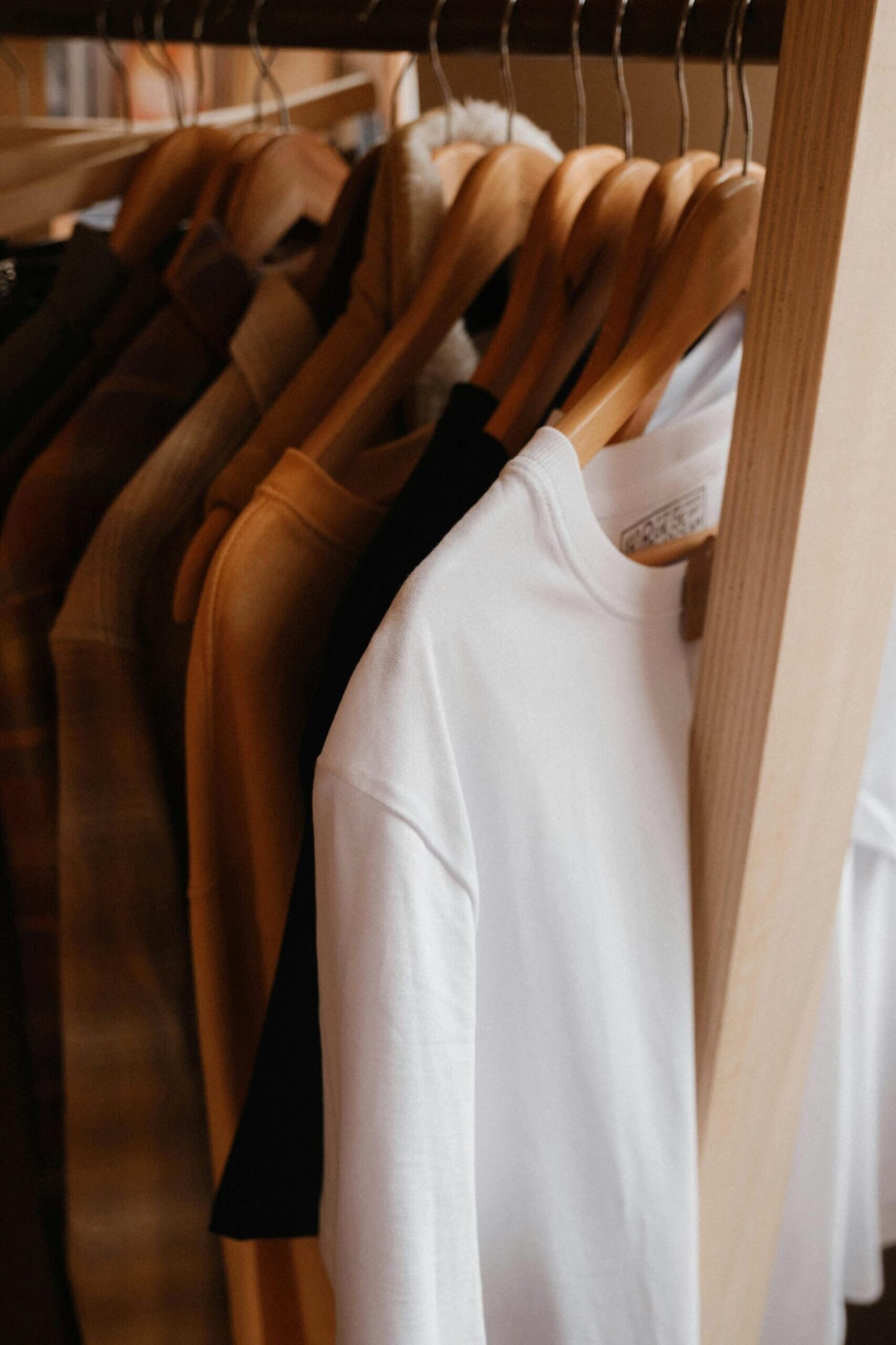
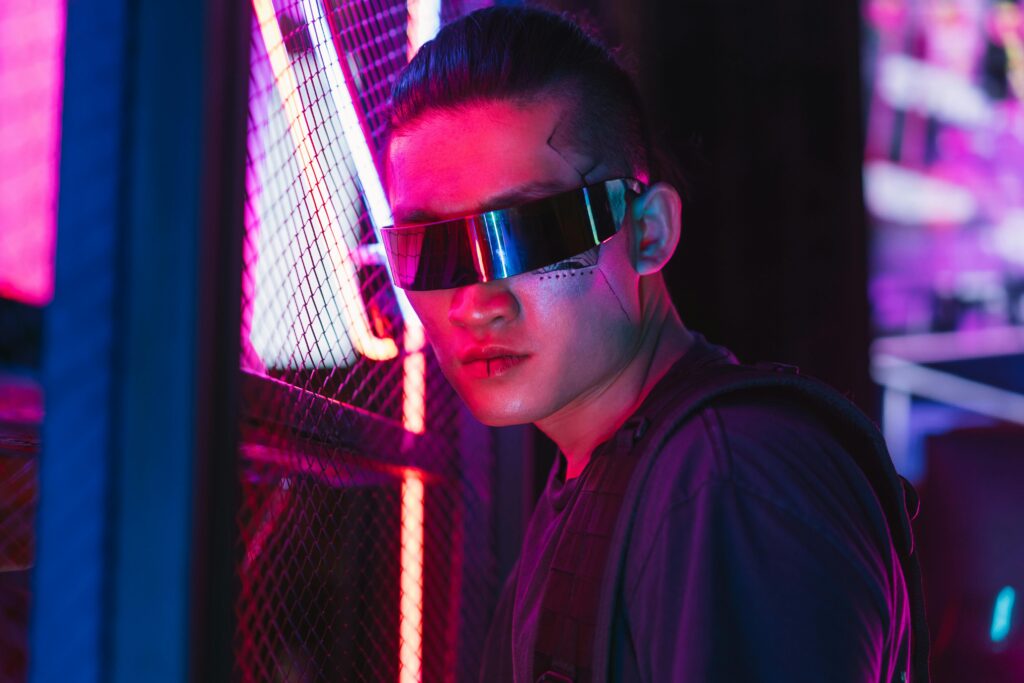
Artificial Intelligence is no longer a futuristic buzzword in fashion-it’s the engine quietly powering a revolution across design studios, e-commerce platforms, and personal wardrobes. In 2025, AI is not just enhancing creativity and efficiency; it’s redefining what it means to design, shop, and express personal style. Whether you’re a designer, a trendsetter, or a casual shopper, understanding how AI is transforming fashion design and personal shopping will help you stay ahead in a rapidly evolving industry.
The New Creative Partner: AI in Fashion Design
Fashion design has always thrived on creativity, intuition, and cultural awareness. Today, AI is amplifying these strengths, enabling designers to create, iterate, and innovate at unprecedented speed and scale.
Generative Design: From Concept to Creation in Days
AI-powered platforms like FashioNet, DeepStyle Studio, and Adobe Sensei are now standard tools in the designer’s arsenal. These systems analyze decades of fashion archives, current social media trends, and even global events to generate hundreds of unique garment concepts in minutes. Designers can input a mood, theme, or even a color palette, and AI will produce mood boards, sketches, and fabric suggestions that align with both creative vision and market demand.
Key benefits:
- Rapid prototyping: Design cycles that once took months now happen in days, allowing brands to react instantly to emerging trends.
- Enhanced creativity: AI augments, rather than replaces, human creativity-offering new perspectives and combinations that might not occur to even the most seasoned designers.
- Sustainable choices: AI can recommend eco-friendly materials and optimize patterns to reduce fabric waste, supporting the industry’s growing commitment to sustainability.
Predictive Trend Forecasting: Data-Driven Style
Gone are the days when trend forecasting relied solely on intuition and market research. AI now analyzes millions of data points-from runway shows and sales figures to TikTok hashtags and Pinterest boards-to predict what’s next in fashion. This predictive mastery allows brands to launch collections that resonate powerfully with consumers, minimizing commercial risk and maximizing relevance.
Real-world example: In early 2025, AI-driven analysis of TikTok content predicted the “Neo-Retro Denim” trend months before it hit mainstream, giving early adopters a significant market advantage.
Smart Pattern Making and Fit Precision
AI is revolutionizing the technical side of design as well. Virtual 3D fitting rooms and AI-powered body scanning enable brands to offer hyper-accurate sizing and simulate how garments will drape on different body types-before a single piece is cut. This leads to:
- Fewer returns and less waste
- Clothes that feel tailor-made for each customer
- Streamlined sampling and prototyping processes
AI-Powered Personal Shopping: The Age of Hyper-Personalization
Personal shopping, once a luxury reserved for the elite, is now accessible to everyone thanks to AI. Today’s AI-powered personal shopping services offer tailored recommendations, virtual styling, and seamless shopping experiences that feel as personal as having a stylist on call.
How AI Personal Shoppers Work
Modern AI personal shopping platforms-like Glance, Daydream, and StyleDNA-leverage advanced algorithms, machine learning, and even conversational AI to:
- Analyze your shopping history, preferences, and style inspirations
- Curate product selections that match your unique taste and budget
- Offer real-time support, styling tips, and even virtual try-ons
Notable features:
- Contextual awareness: AI considers factors like weather, calendar events, and even your mood to suggest the perfect outfit for any occasion.
- Visual and voice search: Find products using images or natural language prompts, making the search process intuitive and fun.
- Continuous learning: The more you interact, the better the recommendations become, thanks to real-time learning and feedback loops.
Real-World Examples
- Amazon’s Rufus: An AI shopping assistant that helps users navigate Amazon’s vast catalog, offering guided help, recommendations, and product comparisons based on size, color, material, and budget.
- ASOS Style Match: Allows users to upload photos and find similar outfits, making it easy to replicate looks seen on social media.
- Sephora Virtual Artist: Uses facial recognition to offer virtual makeovers, helping customers experiment with cosmetics before buying.
Benefits for Shoppers and Brands
For shoppers:
- Highly personalized recommendations save time and reduce decision fatigue
- Virtual try-ons and fit prediction minimize returns and improve satisfaction
- Access to styling advice and curated looks, regardless of budget or location
For brands:
- Deeper insights into customer behavior and preferences
- Increased engagement, loyalty, and conversion rates
- Ability to compete with larger players through democratized technology
AI and Sustainability: Fashion’s Green Revolution
Sustainability is no longer optional in fashion-it’s a mandate. AI is playing a pivotal role in making the industry more eco-friendly by:
- Predicting demand: Reducing overproduction and unsold inventory
- Optimizing supply chains: Streamlining logistics for minimal environmental impact
- Recommending sustainable materials: Matching eco-friendly fabrics to design intent
Brands leveraging AI for sustainability are not only reducing their carbon footprint but also appealing to a growing segment of eco-conscious consumers.
The Business Impact: Speed, Efficiency, and Market Growth
The adoption of AI in fashion is driving explosive growth and operational efficiency:
- The global AI in fashion market is projected to grow from $2.78 billion in 2025 to $39.71 billion by 2033, at a CAGR of 39.43%.
- Brands using AI-powered design tools report up to 70% faster development cycles, slashing time from concept to sample from six weeks to just days.
- AI-driven personalization is increasing customer retention, with some platforms reporting repeat engagement rates as high as 56%.
Overcoming Challenges: Privacy, Trust, and Human Touch
While AI brings immense benefits, it also raises important questions around privacy, data security, and the preservation of human creativity. Leading platforms are adopting privacy-first approaches, ensuring that personalization does not come at the expense of user trust. The most successful brands are those that blend AI’s analytical power with the irreplaceable intuition and empathy of human designers and stylists.
What’s Next? The Future of AI in Fashion
The intersection of AI and fashion is just beginning. Looking ahead, expect to see:
- More immersive experiences: Augmented reality (AR) and virtual reality (VR) will make virtual try-ons and fashion shows even more engaging.
- Greater inclusivity: AI will help brands design for a wider range of body types, skin tones, and cultural preferences, making fashion more accessible and representative.
- Deeper personalization: As AI systems become more sophisticated, expect hyper-personalized wardrobes that adapt to your lifestyle, climate, and even your calendar.
Take Your Next Step Into AI-Driven Fashion
AI is transforming every facet of fashion, from the designer’s sketchpad to the shopper’s smartphone. Whether you’re a brand looking to innovate or a consumer seeking a more personalized, sustainable, and enjoyable shopping experience, now is the time to embrace the power of AI.
Explore more insights and the latest trends in AI-powered fashion at blogonfashiontrends.com-your trusted source for the future of style.
Ready to experience the future of fashion? Discover how AI can elevate your style, streamline your shopping, and help you make smarter, more sustainable choices. Stay ahead of the curve with expert analysis, real-world examples, and actionable tips from blogonfashiontrends.com-where technology meets trendsetting.